
c. 1905–1925 · Germany / Austria / Norway
Expressionism
The scream under the skin
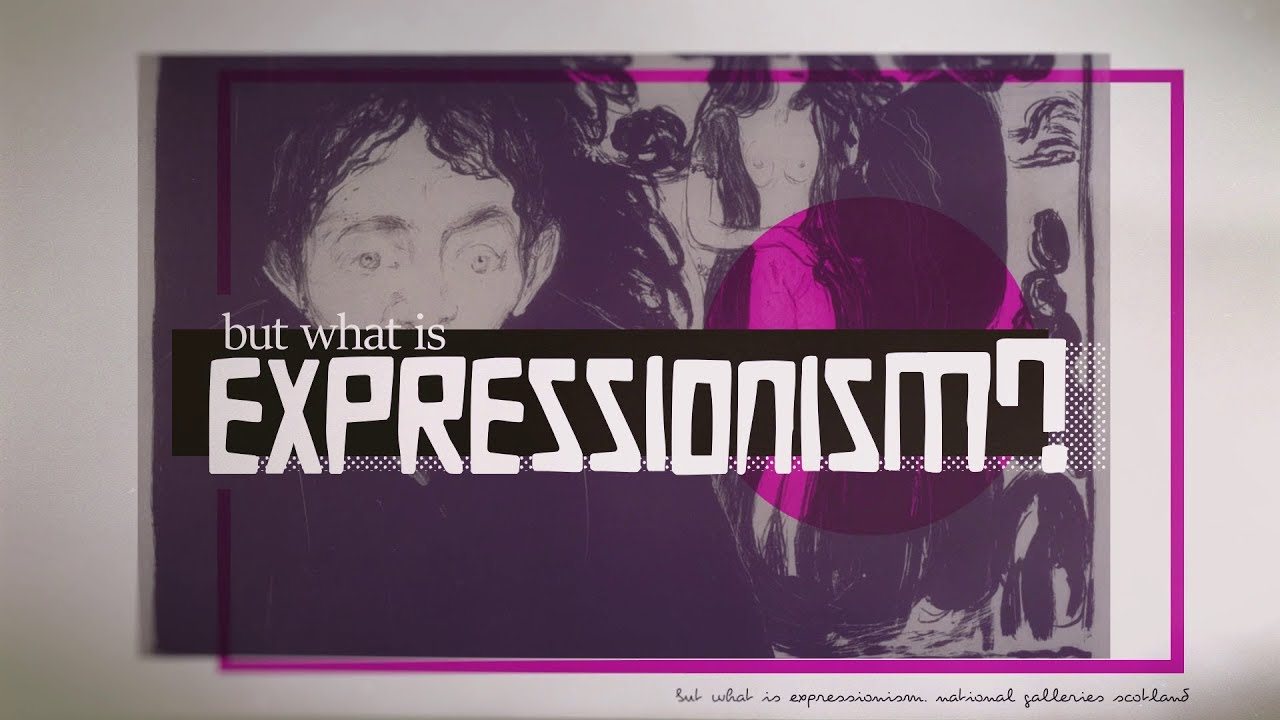
Expressionism is a modernist movement, initially in poetry and painting, originating in Germany at the beginning of the 20th century. Its typical trait is to present the world solely from a subjective perspective, distorting it radically for emotional effect in order to evoke moods or ideas. Expressionist artists have sought to express the meaning of emotional experience rather than physical reality.
Expressionism, artistic style in which the artist seeks to depict not objective reality but rather the subjective emotions and responses that objects and events arouse within a person. The artist accomplishes this aim through distortion, exaggeration, primitivism, and fantasy and through the vivid, jarring, violent, or dynamic application of formal elements. In a broader sense Expressionism is one of the main currents of art in the later 19th and the 20th centuries, and its qualities of highly subjective, personal, spontaneous self-expression are typical of a wide range of modern artists and art movements. Expressionism can also be seen as a permanent tendency in Germanic and Nordic art from at least the European Middle Ages, particularly in times of social change or spiritual crisis, and in this sense it forms the converse of the rationalist and classicizing tendencies of Italy and later of France.
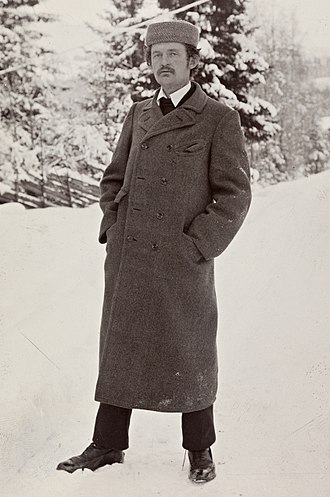
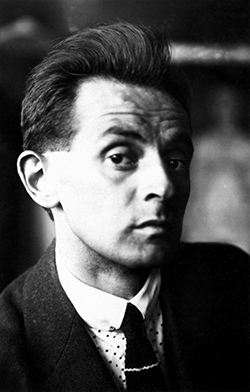
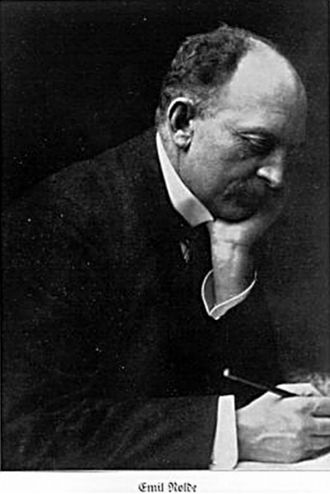
Artists
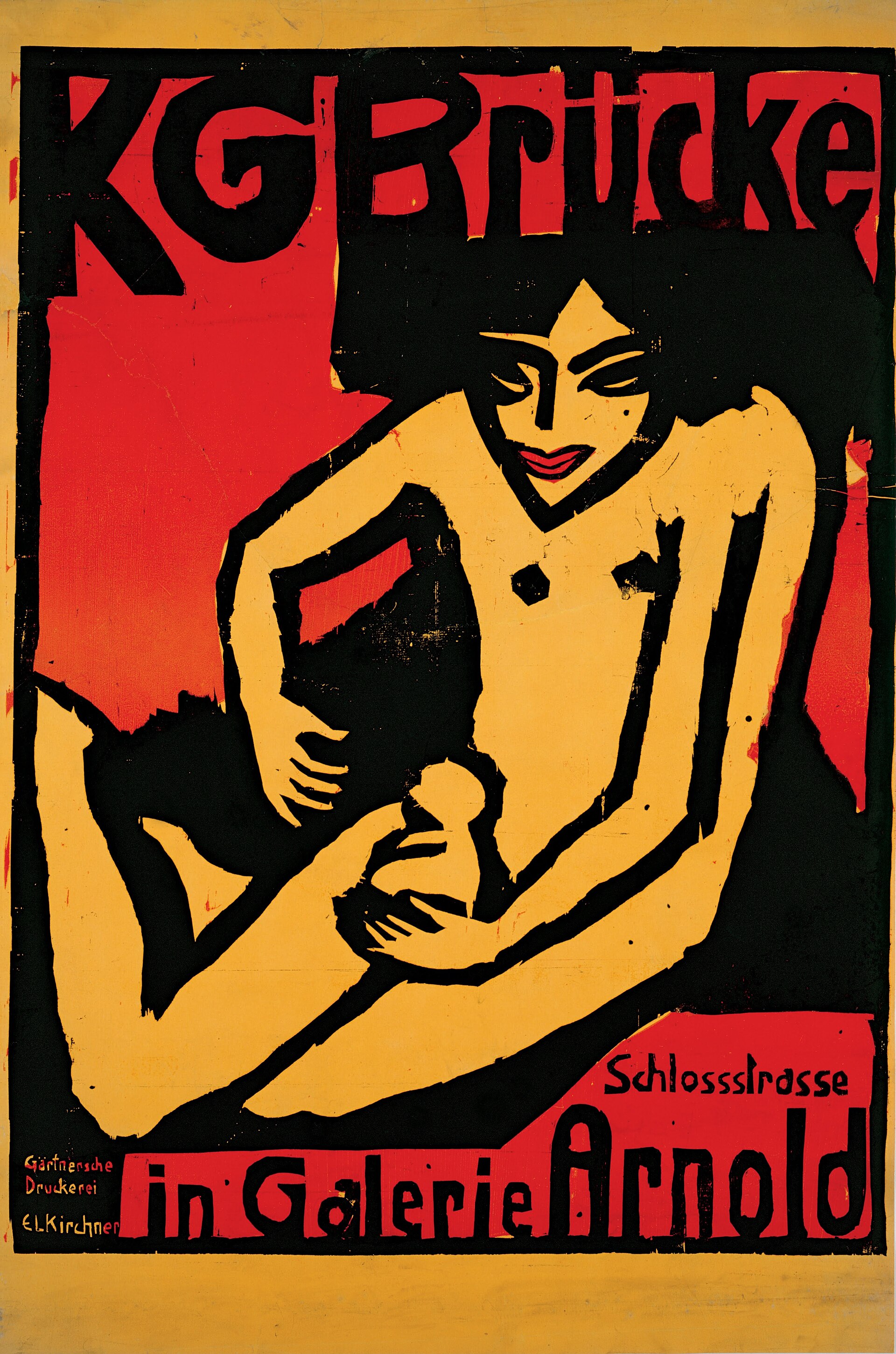
Works
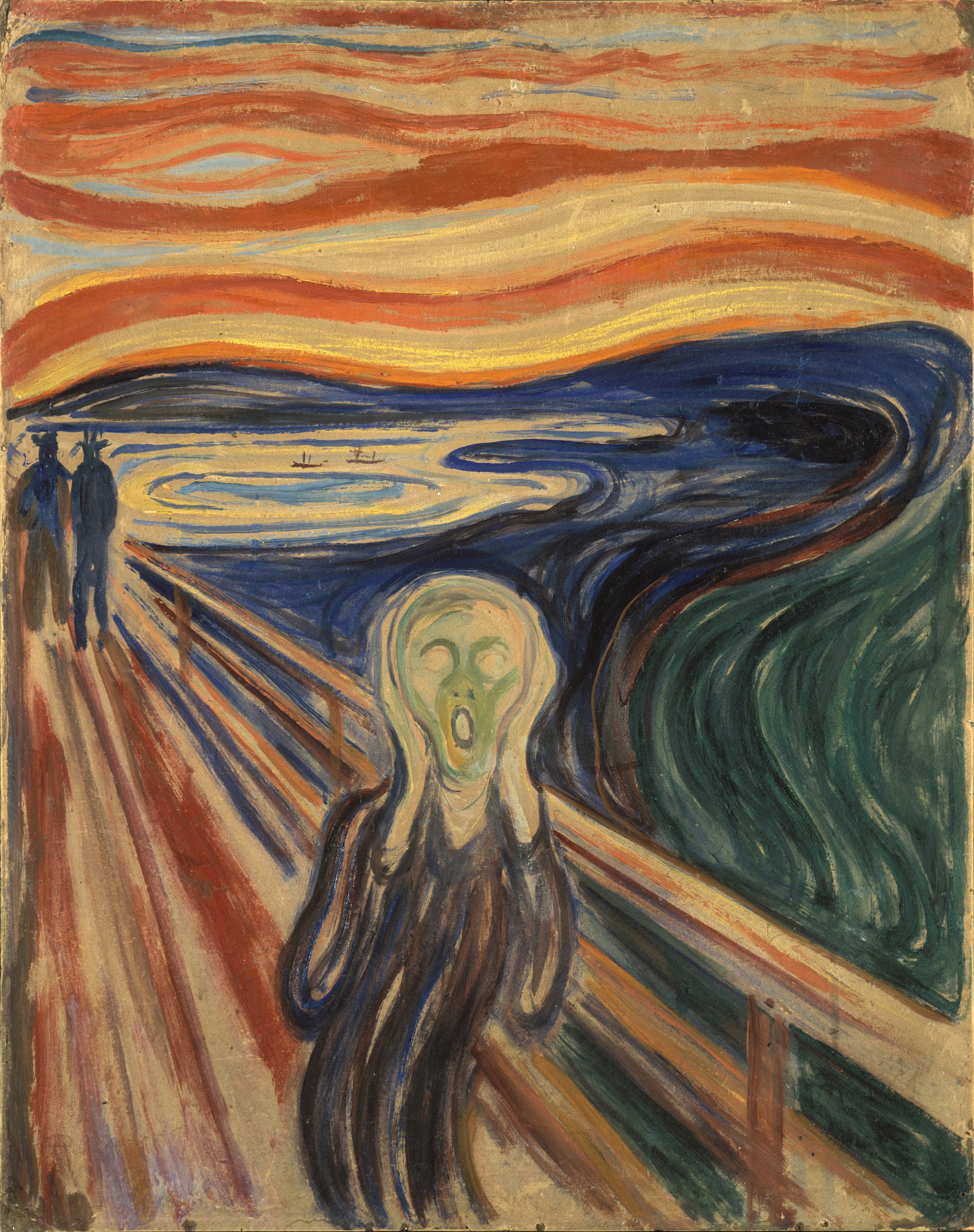
The Scream
Edvard Munch
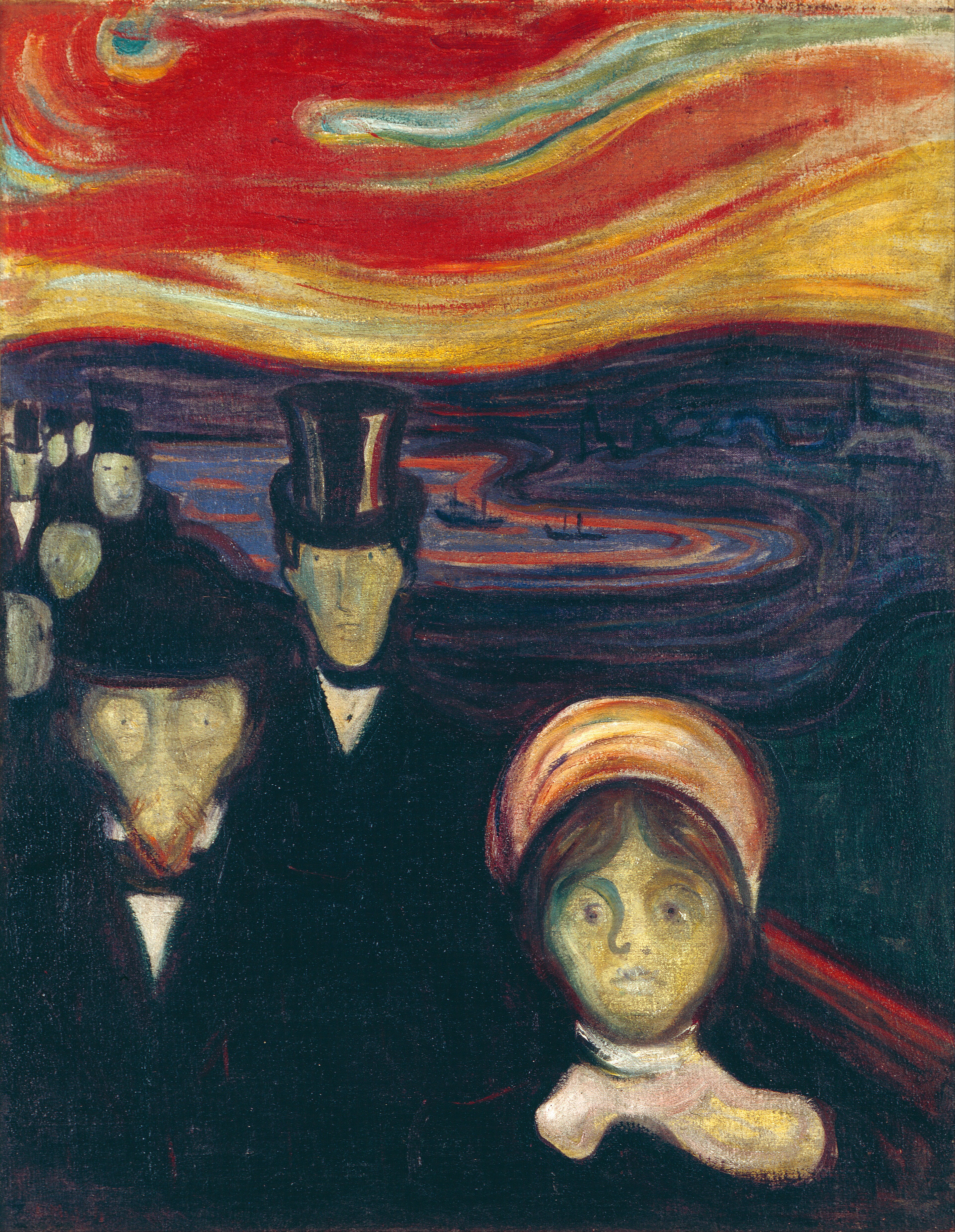
Anxiety
Edvard Munch
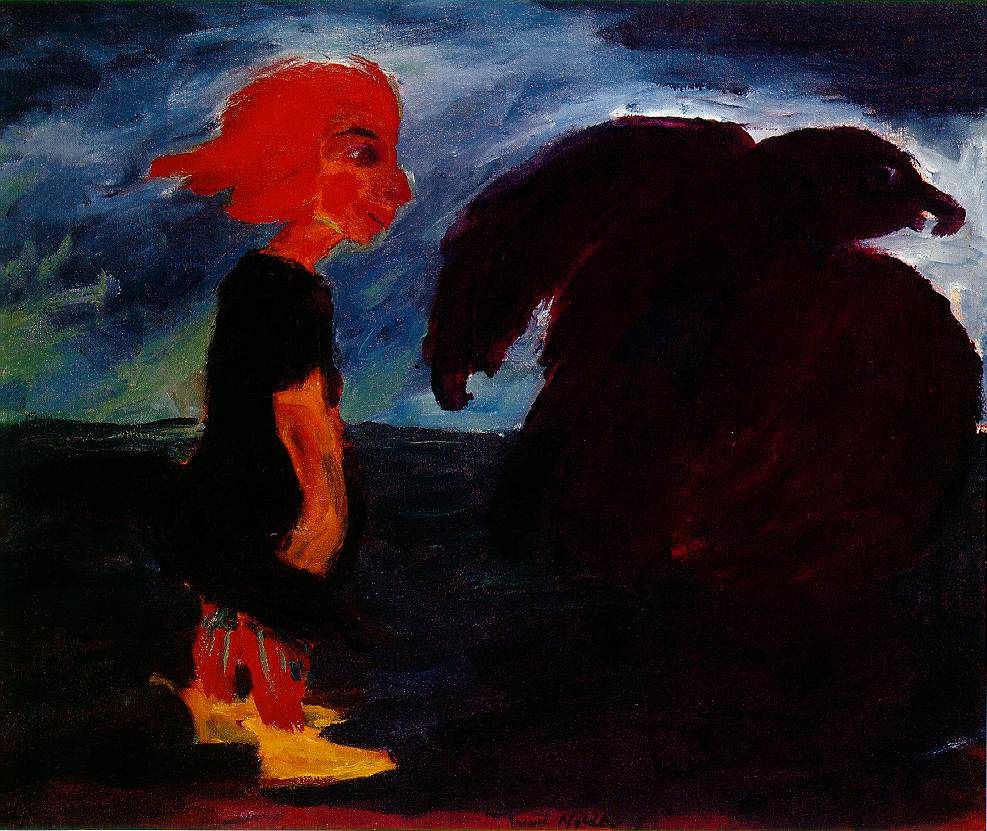
Child and Large Bird
Emil Nolde
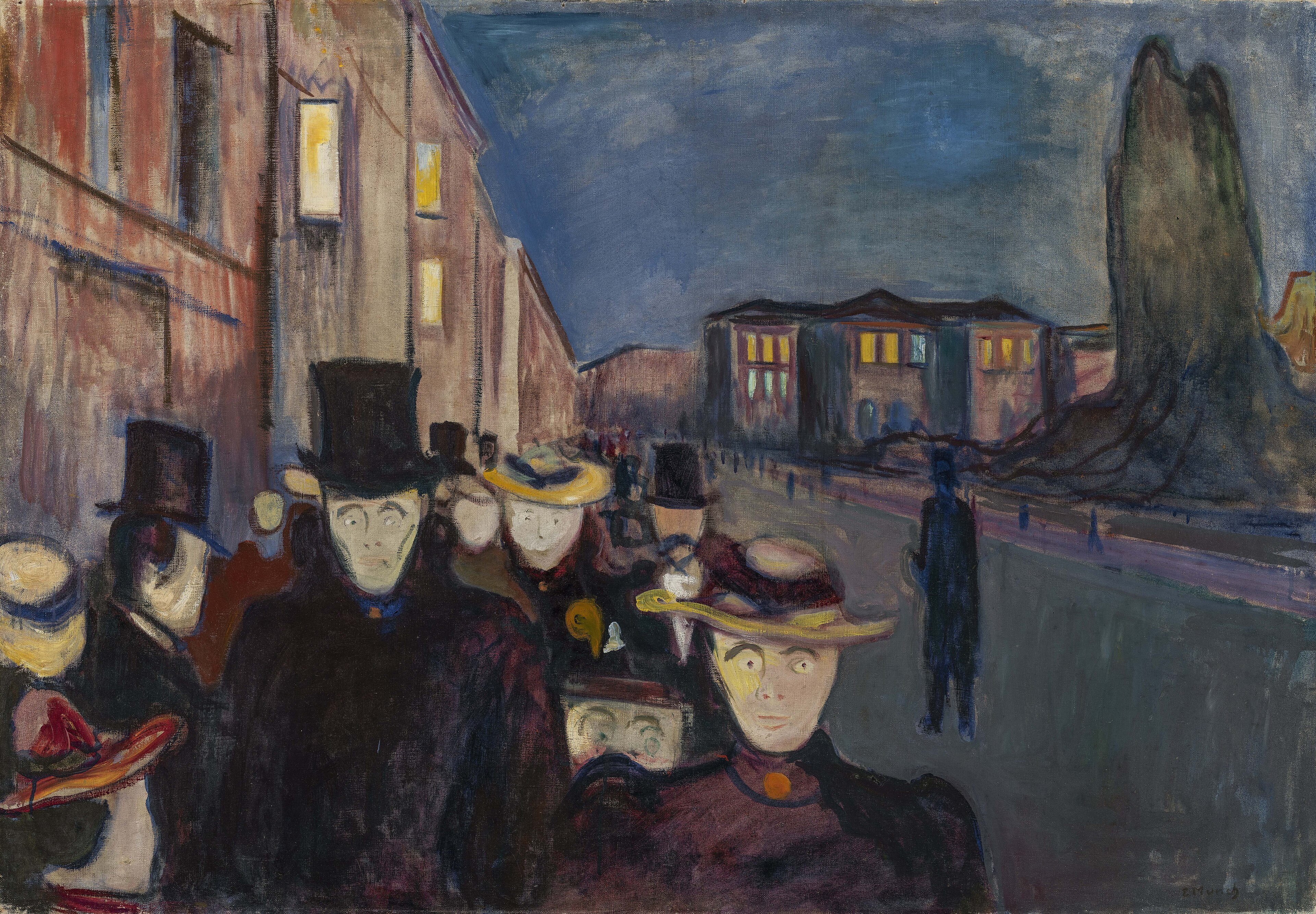
Evening on Karl Johan Street
Edvard Munch
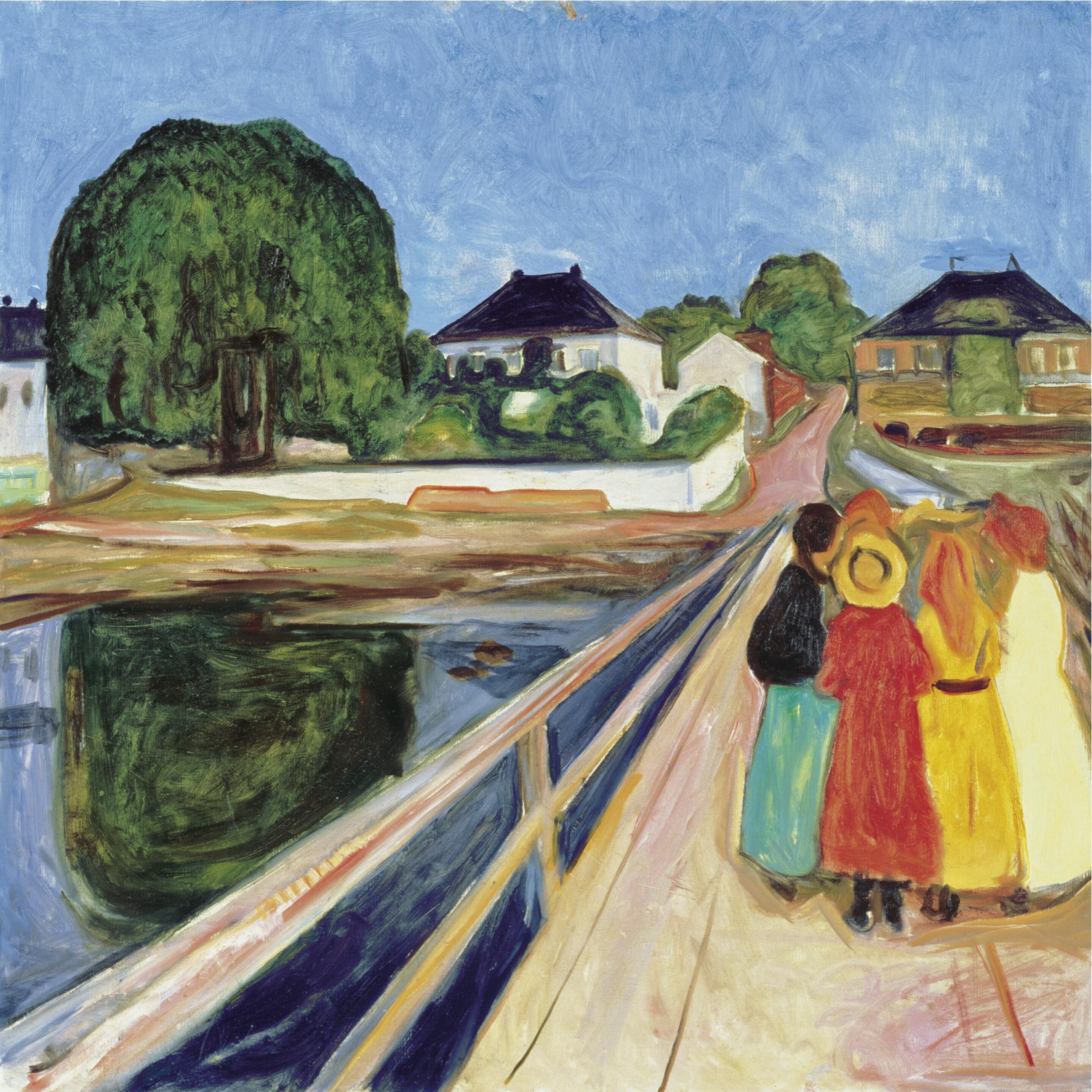
Girls on the Bridge
Edvard Munch
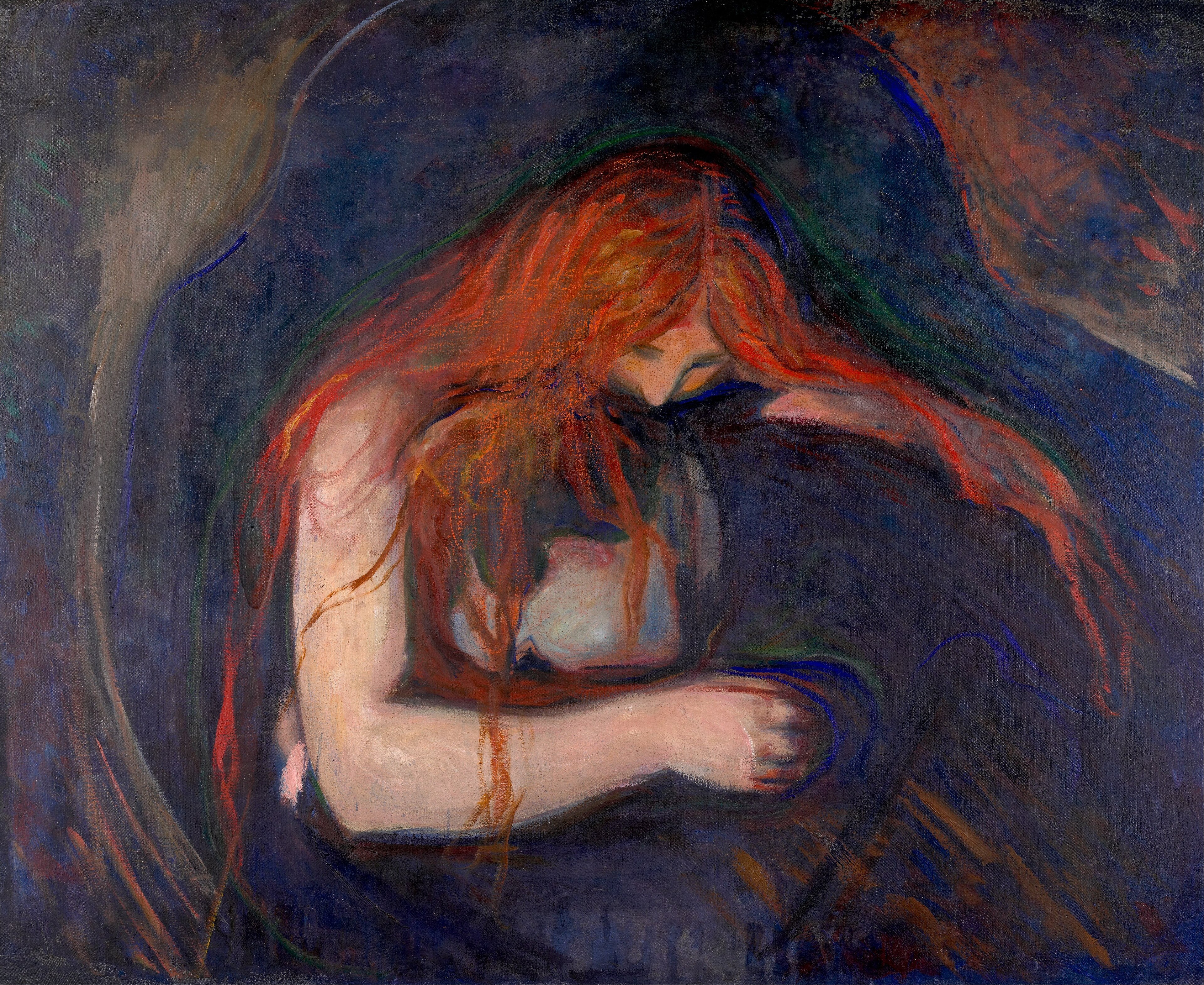
Love and Pain
Edvard Munch
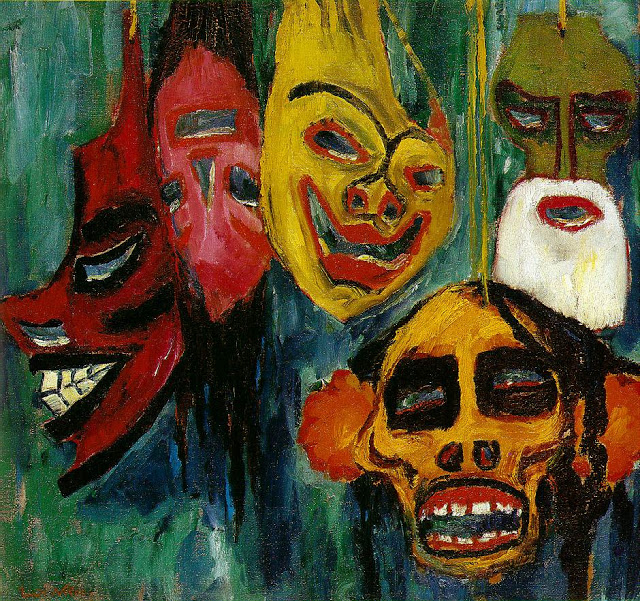
Mask Still Life III
Emil Nolde
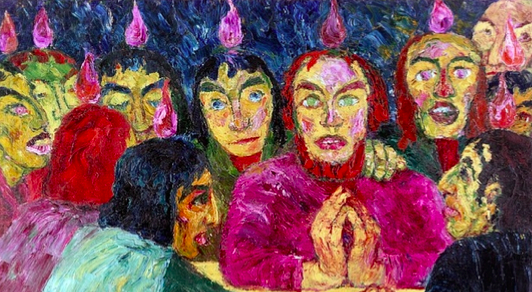
Pentecost
Emil Nolde
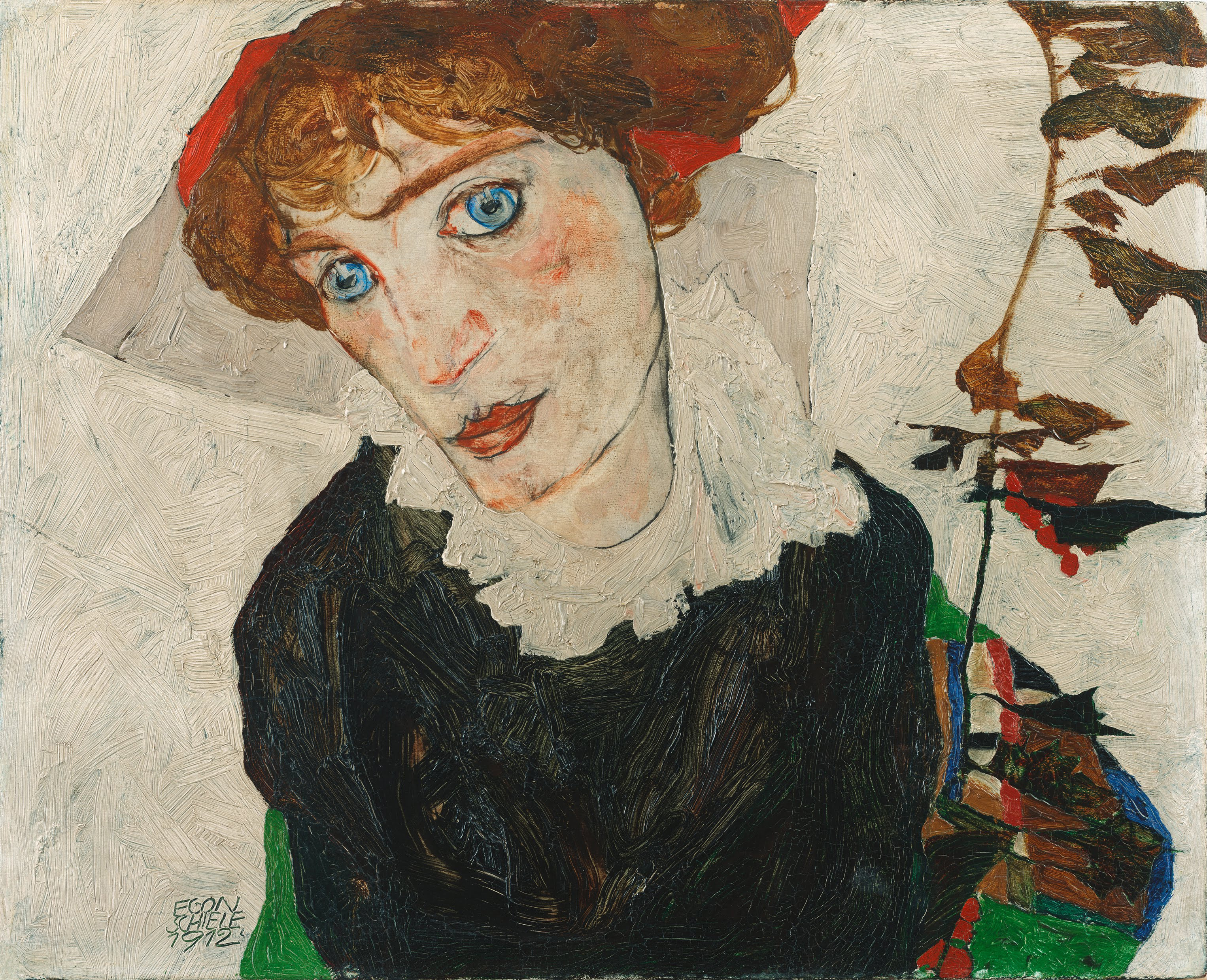
Portrait of Wally
Egon Schiele
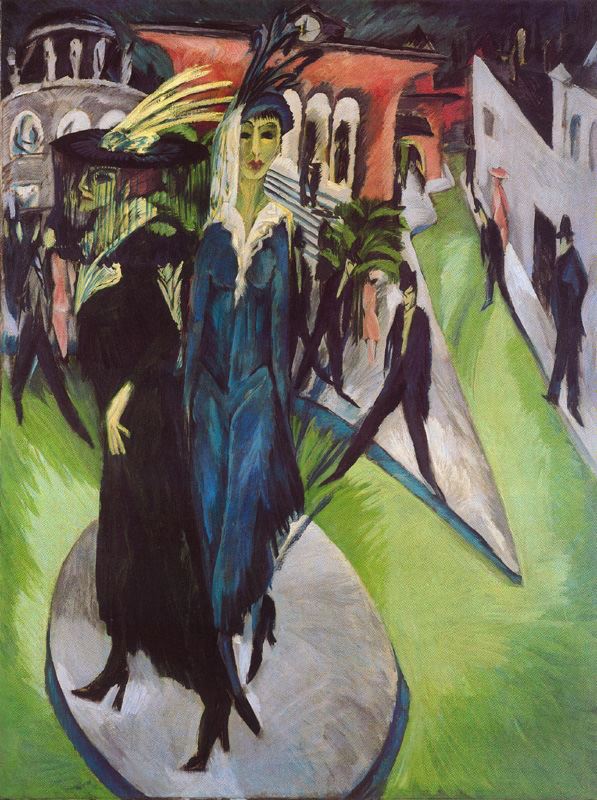
Potsdamer Platz
Ernst Ludwig Kirchner · 1914
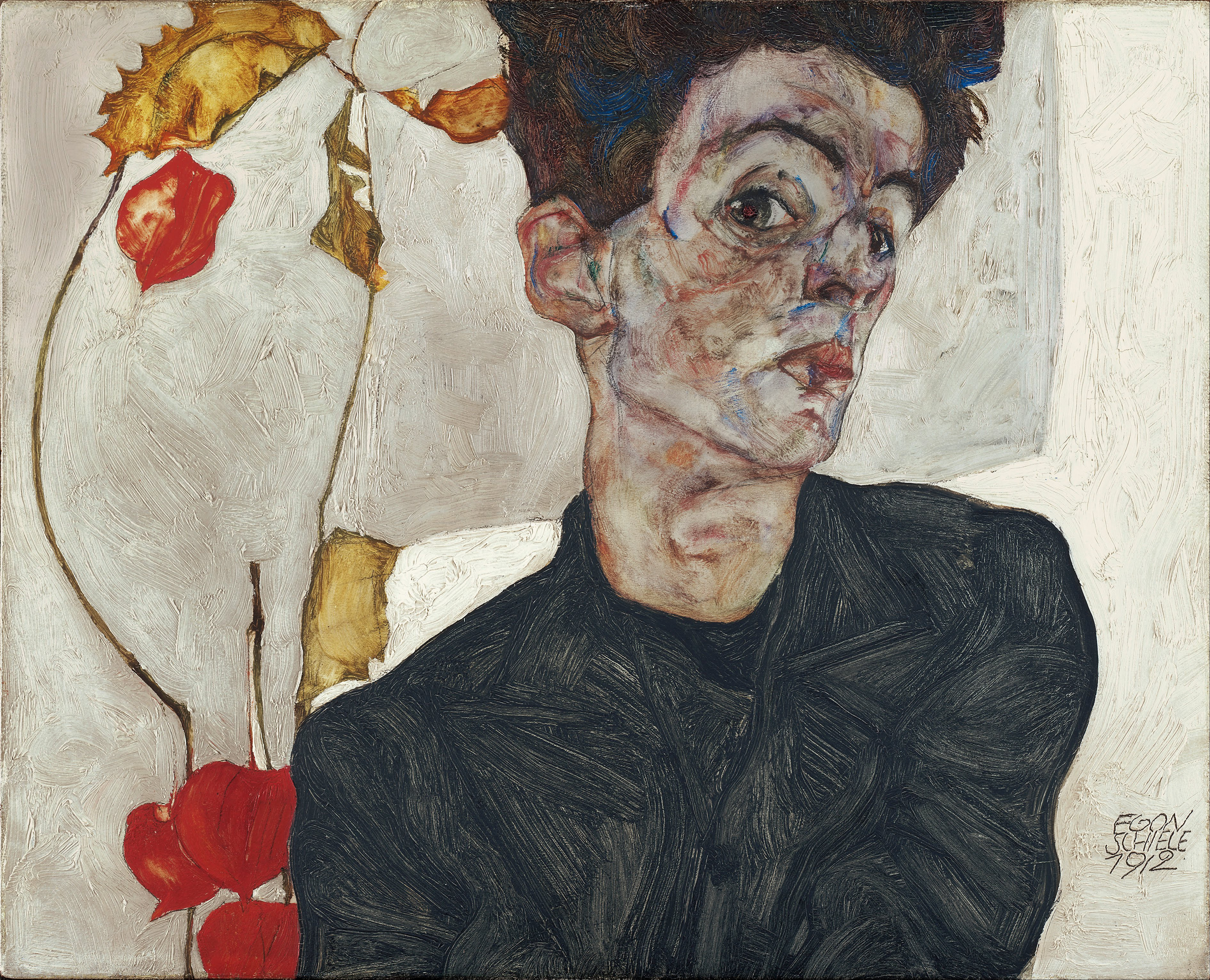
Self-Portrait with Chinese Lantern Plant
Egon Schiele
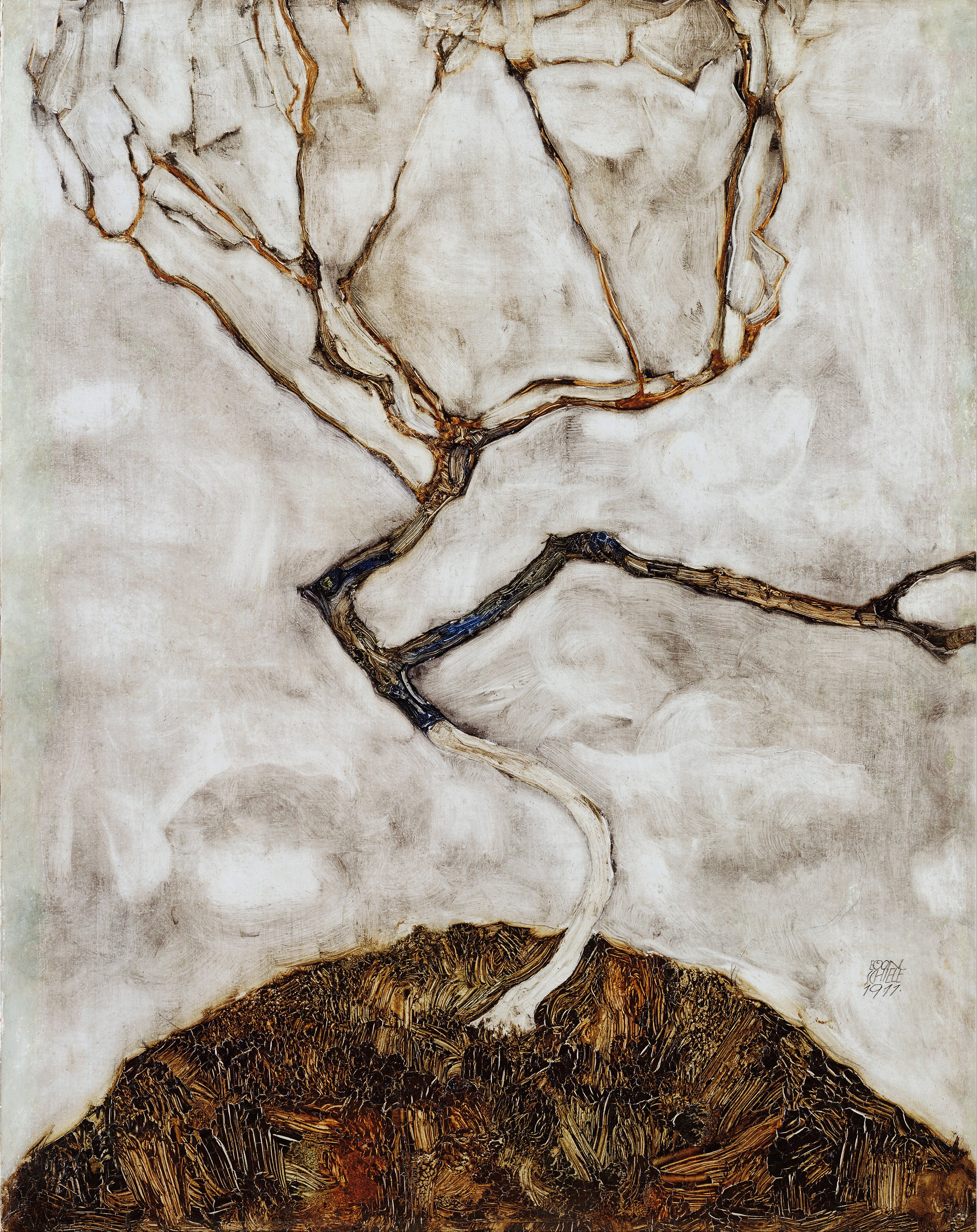
Small Tree in Late Autumn
Egon Schiele
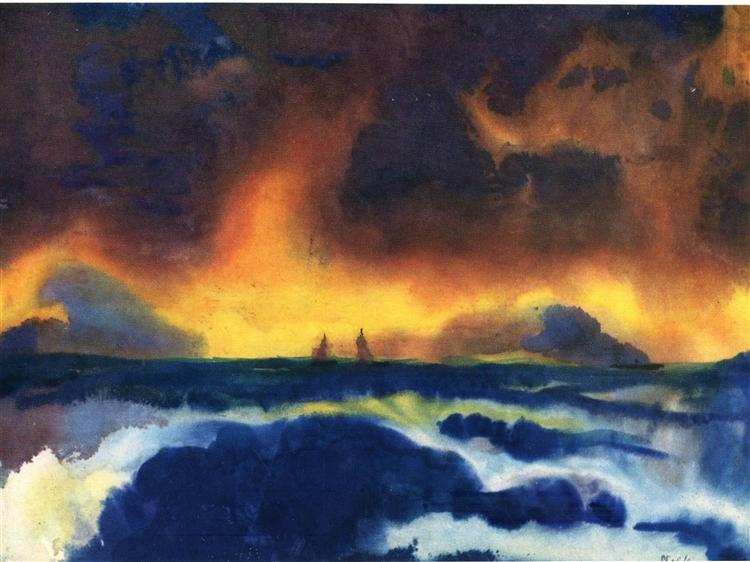
Stormy Sea
Emil Nolde
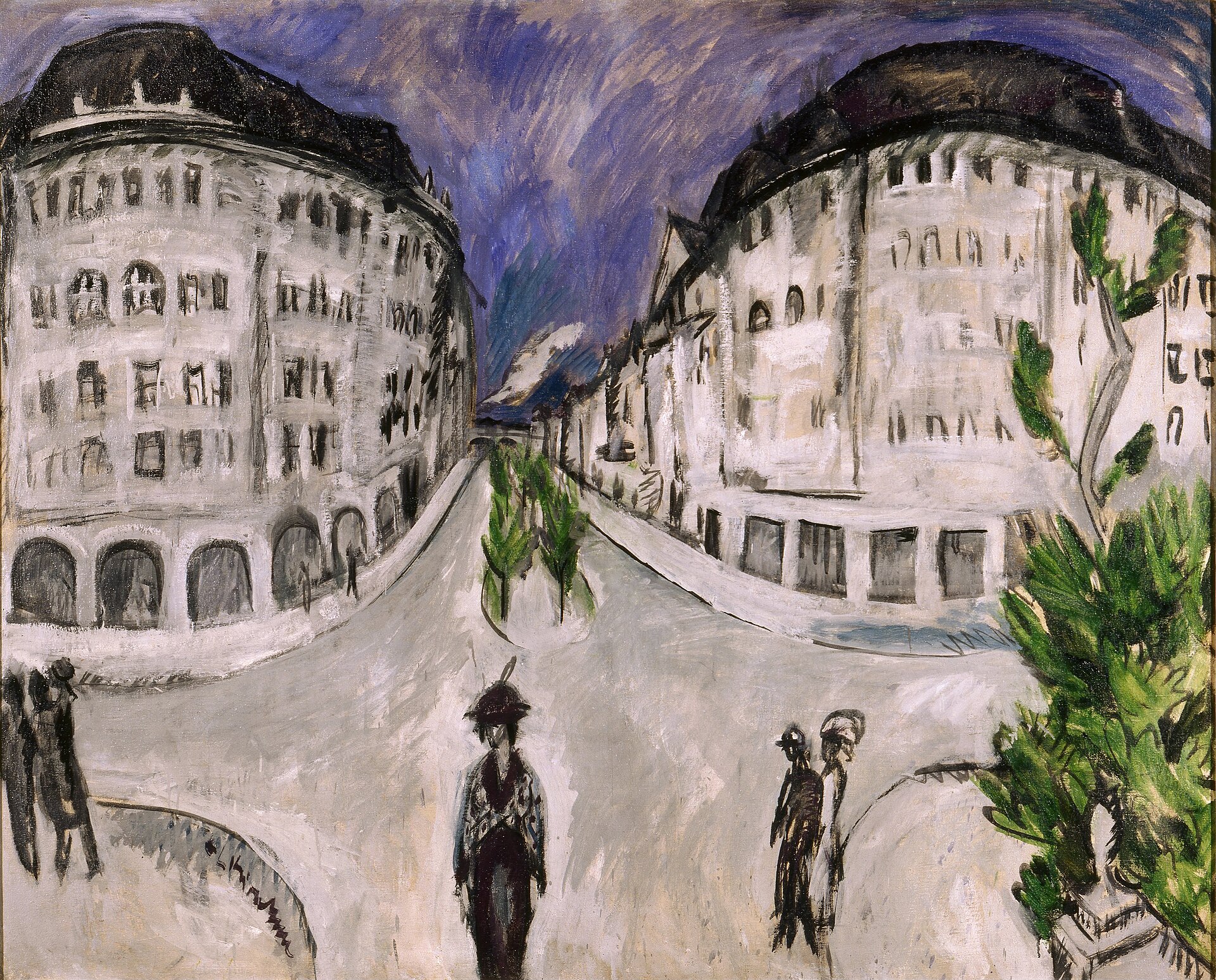
Street, Dresden
Ernst Ludwig Kirchner · 1908
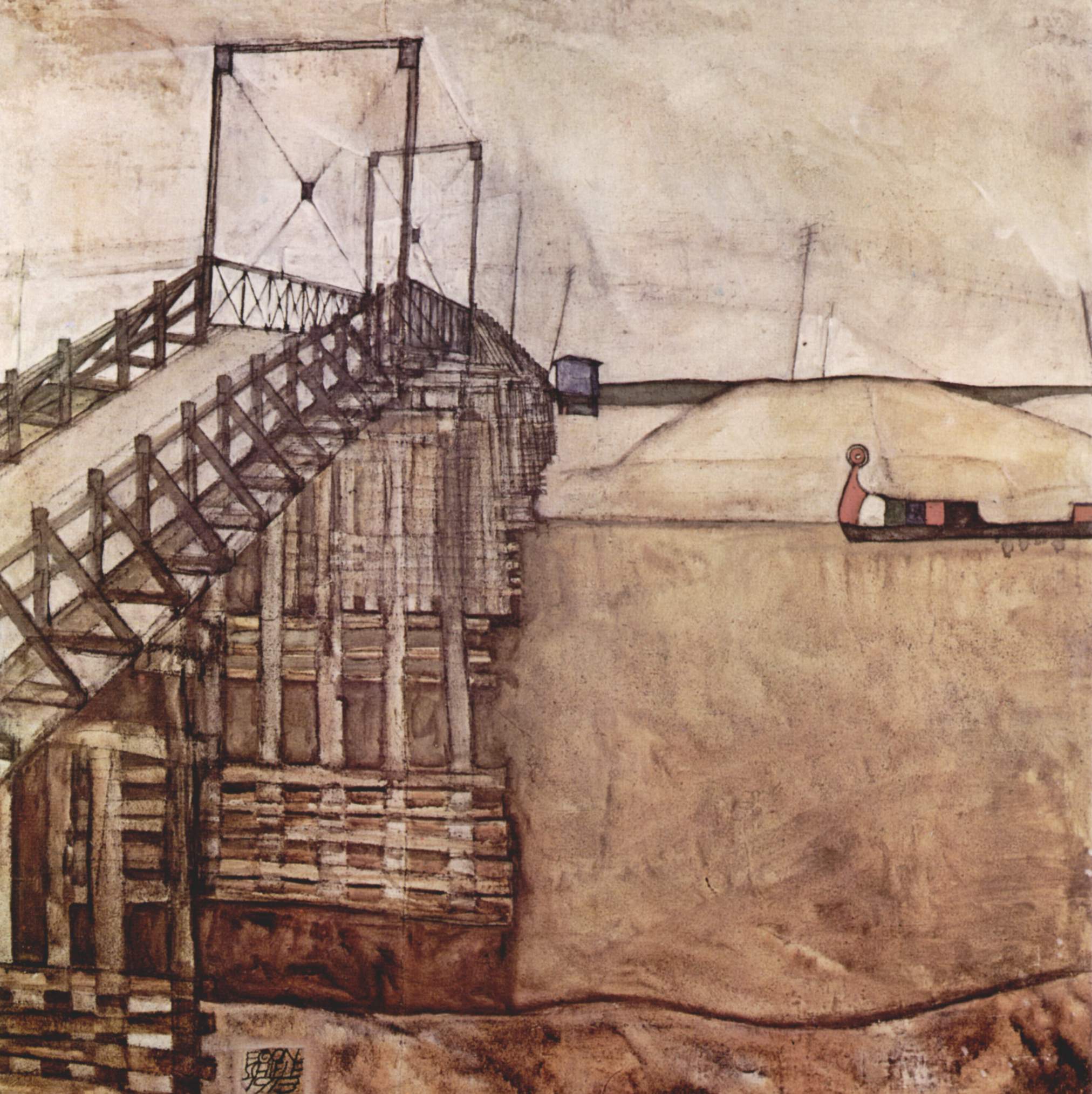
The Bridge
Egon Schiele
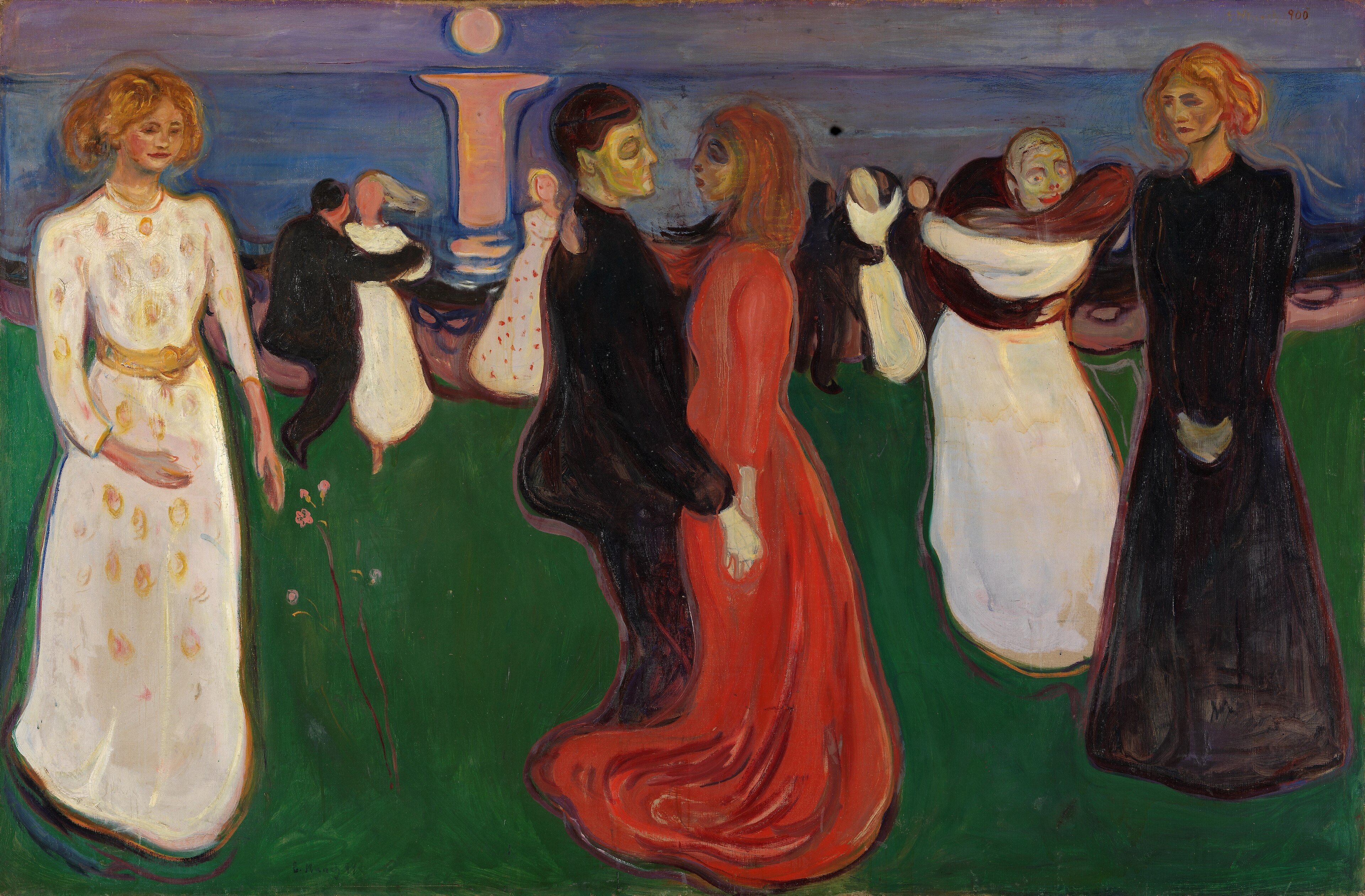
The Dance of Life
Edvard Munch
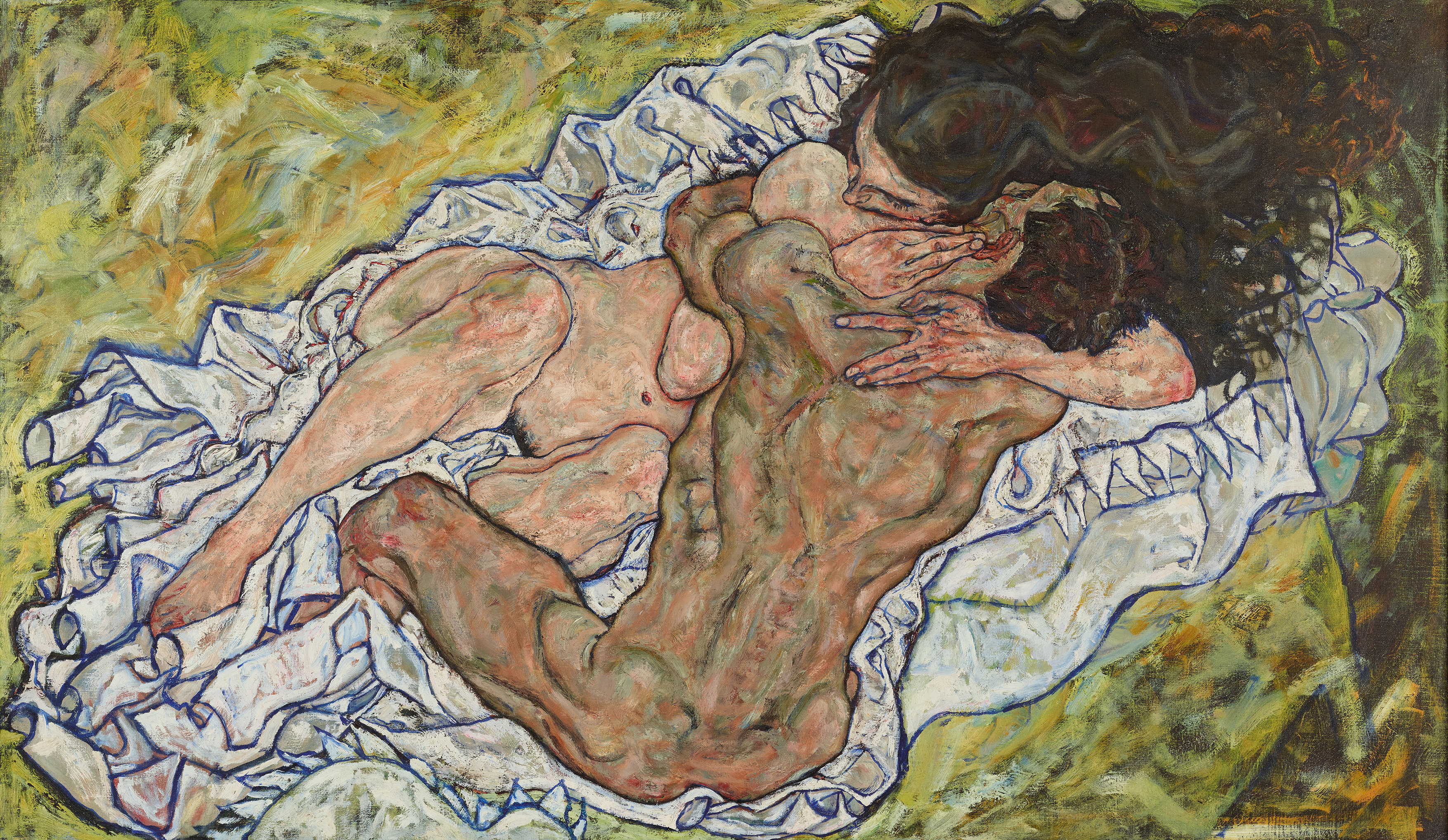
The Embrace
Egon Schiele
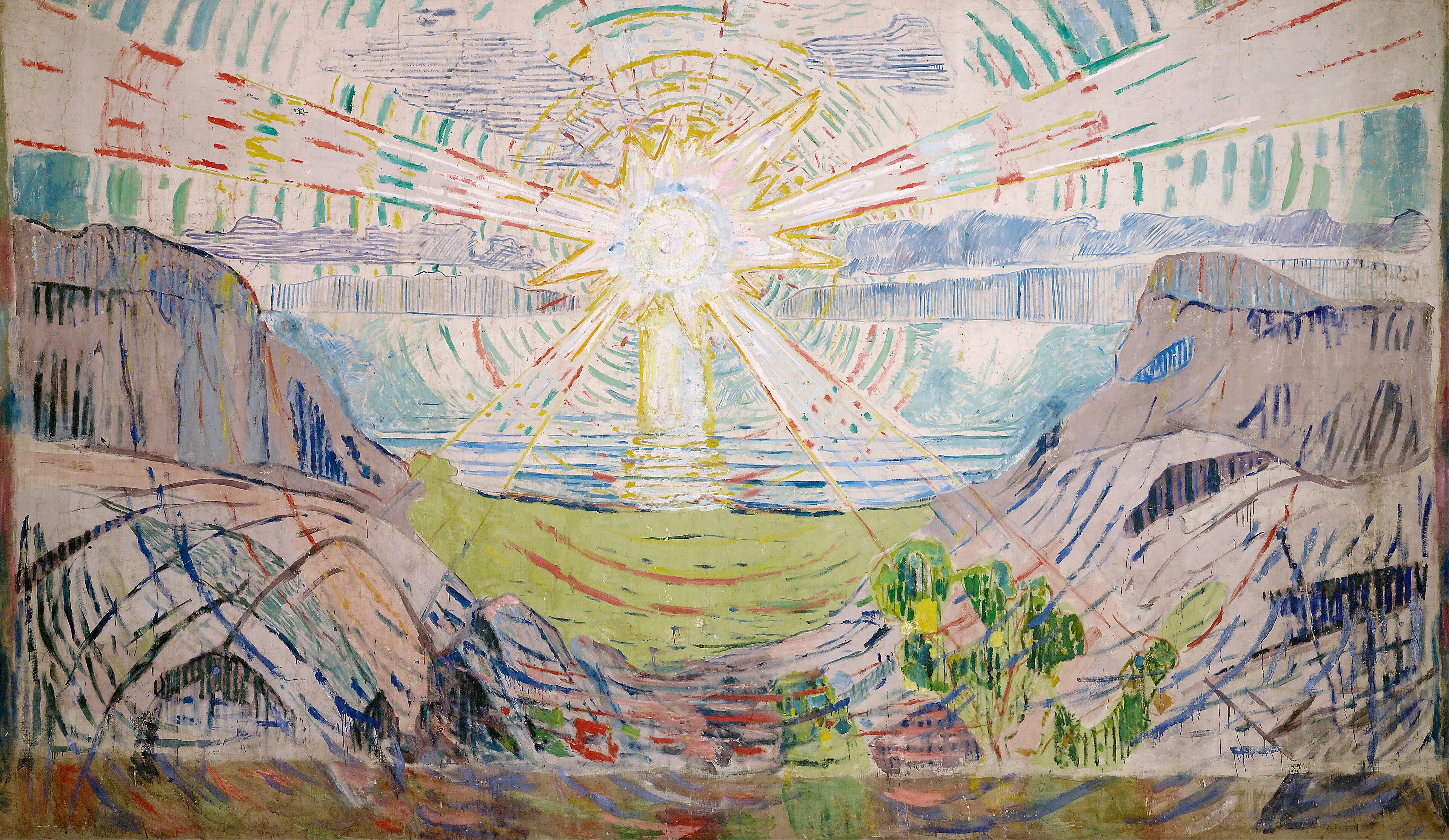
The Sun
Edvard Munch
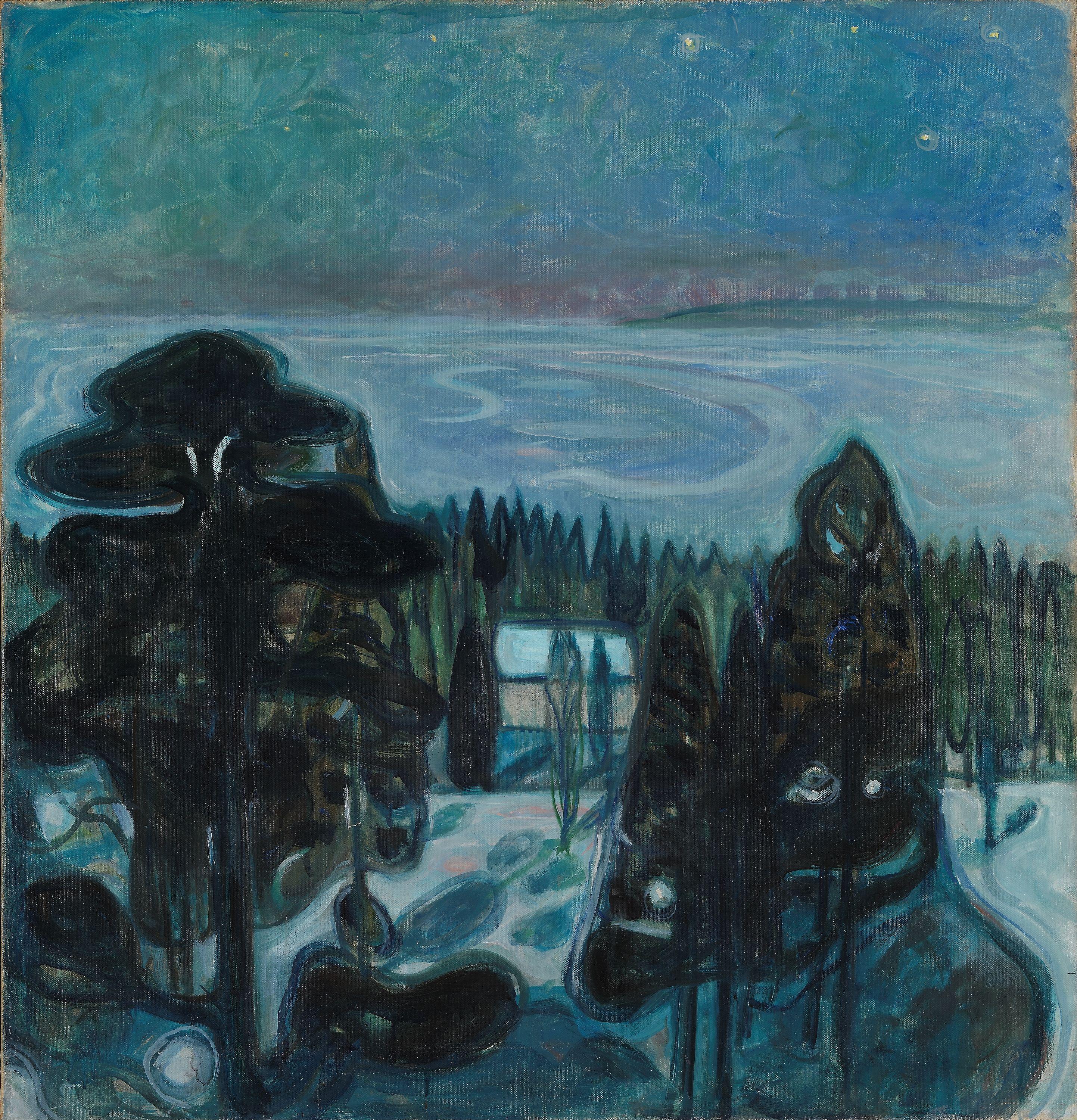
White Night
Edvard Munch