
1924–1960s · Paris / Belgium / Spain
Surrealism
The real functioning of thought
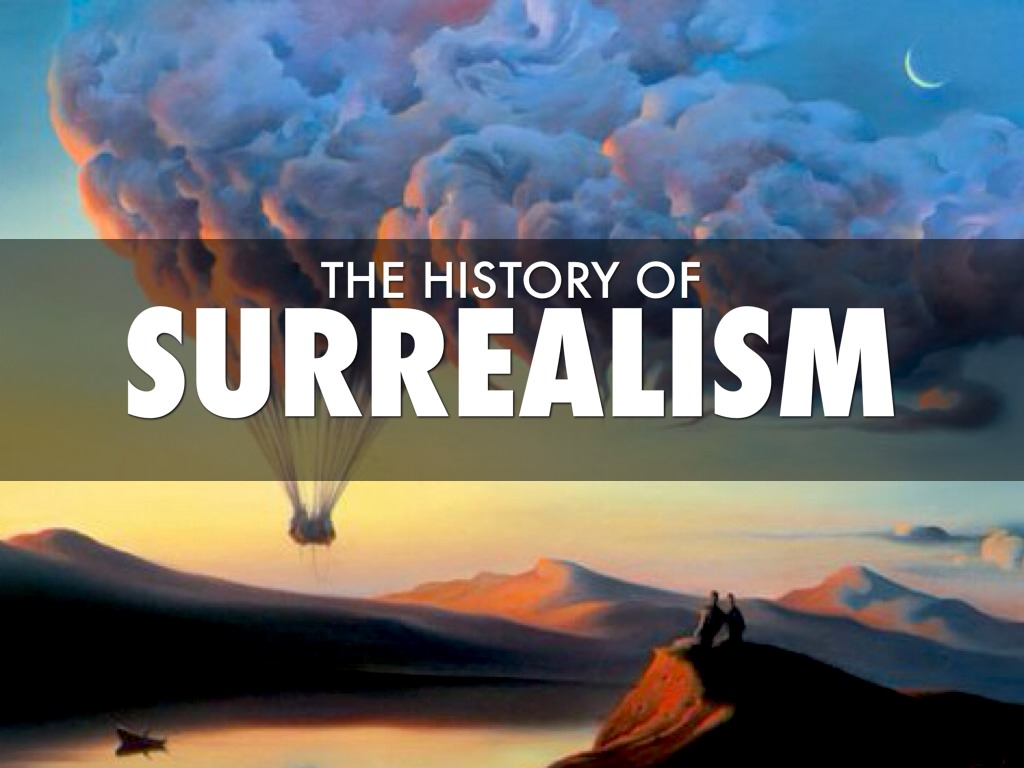
Surrealism is a twentieth-century literary, philosophical and artistic movement that explored the workings of the mind, championing the irrational, the poetic and the revolutionary. It was Andre Breton, leader of a new grouping of poets and artists in Paris, who, in his Surrealist Manifesto (1924), defined surrealism as:
Pure psychic automatism, by which one proposes to express, either verbally, in writing, or by any other manner, the real functioning of thought. Dictation of thought in the absence of all control exercised by reason, outside of all aesthetic and moral preoccupation.
Surrealism aimed to revolutionise human experience, rejecting a rational vision of life in favour of one that asserted the value of the unconscious and dreams. The movement's poets and artists found magic and strange beauty in the unexpected and the uncanny, the disregarded and the unconventional. Many surrealist artists used automatic drawing or writing to unlock ideas and images from their unconscious minds, and others sought to depict dream worlds or hidden psychological tensions.
Artists
Works
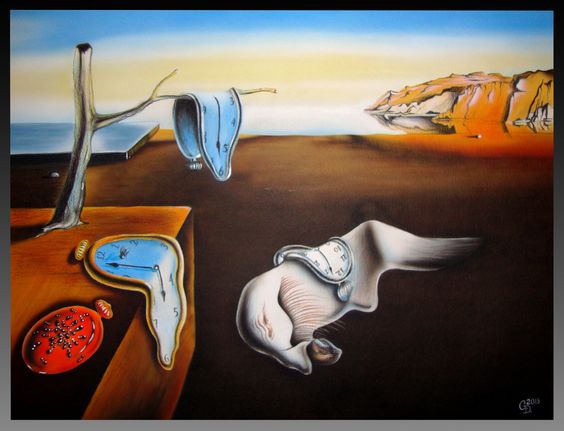
The Persistence of Memory
Salvador Dali
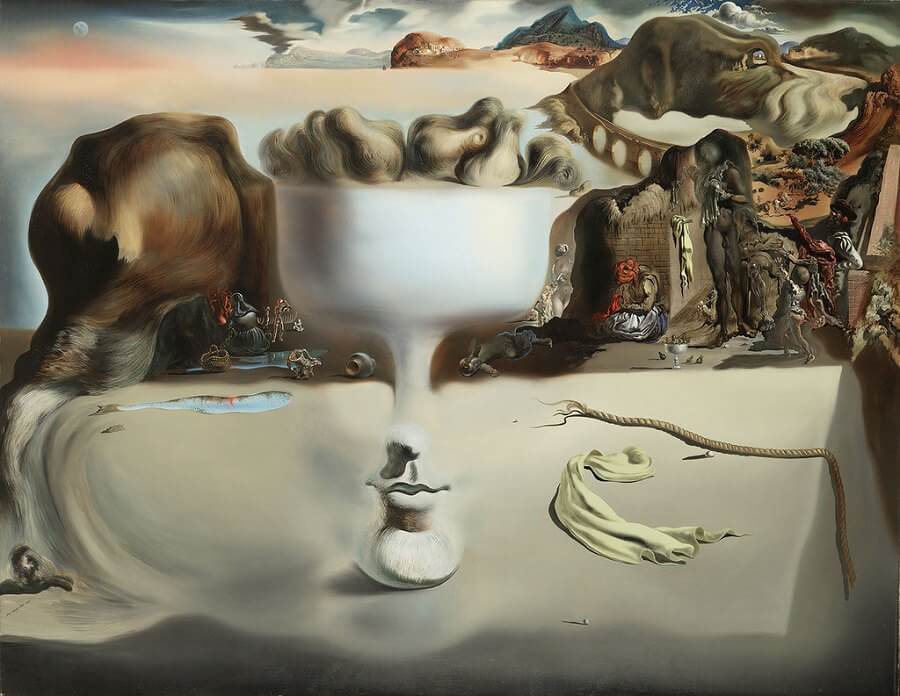
Apparition of Face and Fruit Dish on a Beach
Salvador Dali
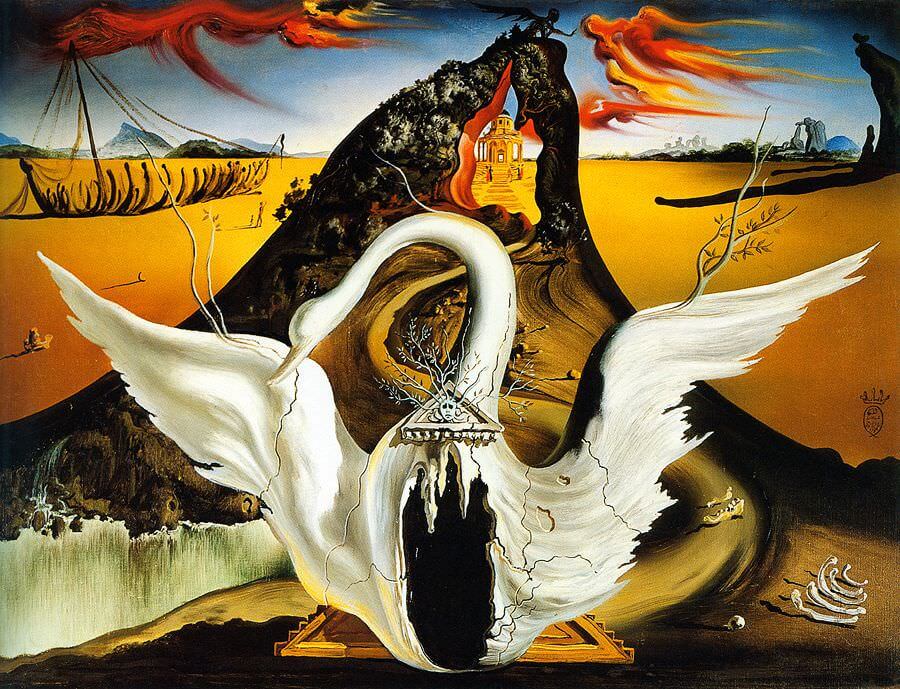
Bacchanale
Salvador Dali
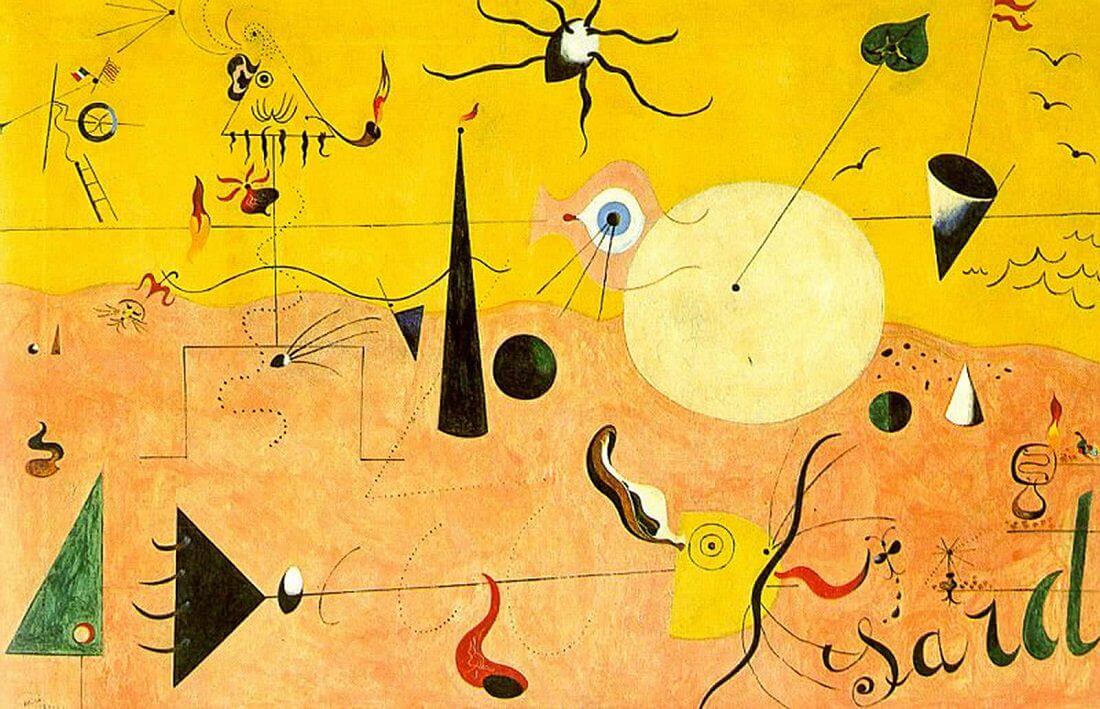
Catalan Landscape
Joan Miro
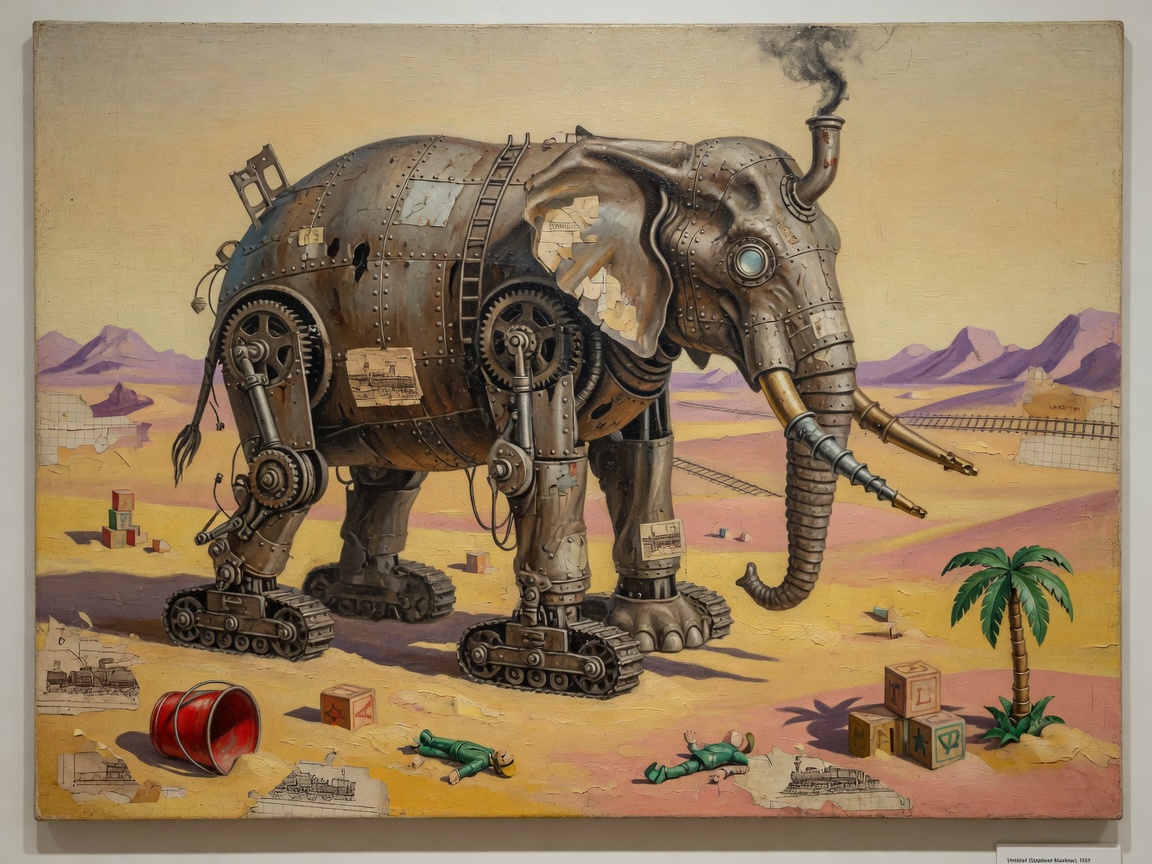
Celebes
Max Ernst · 1921
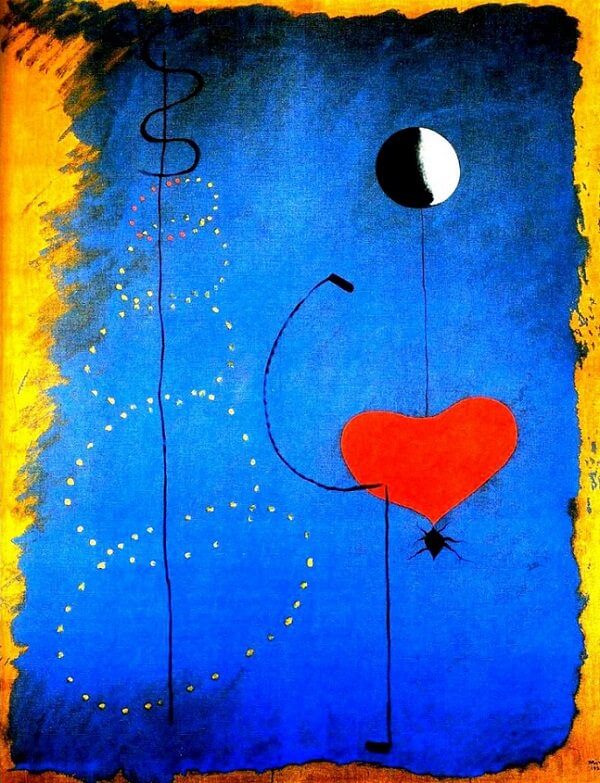
Dancer
Joan Miro
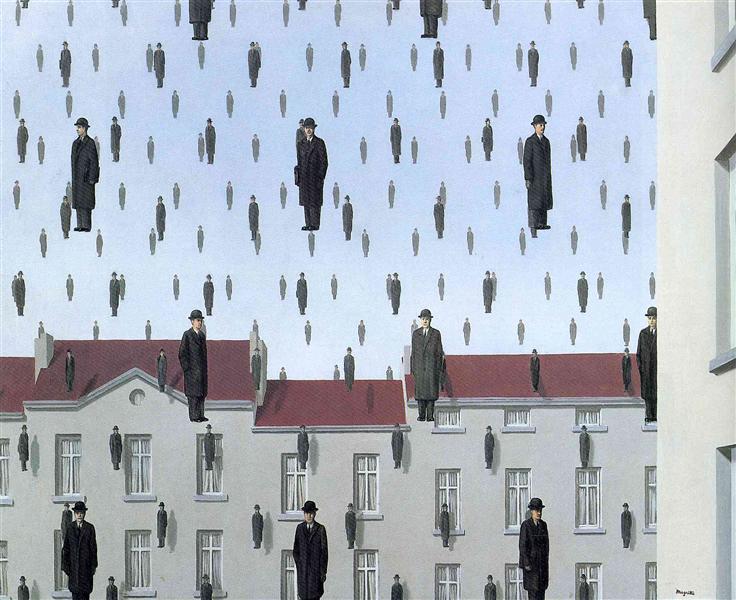
Golconda
Rene Magritte
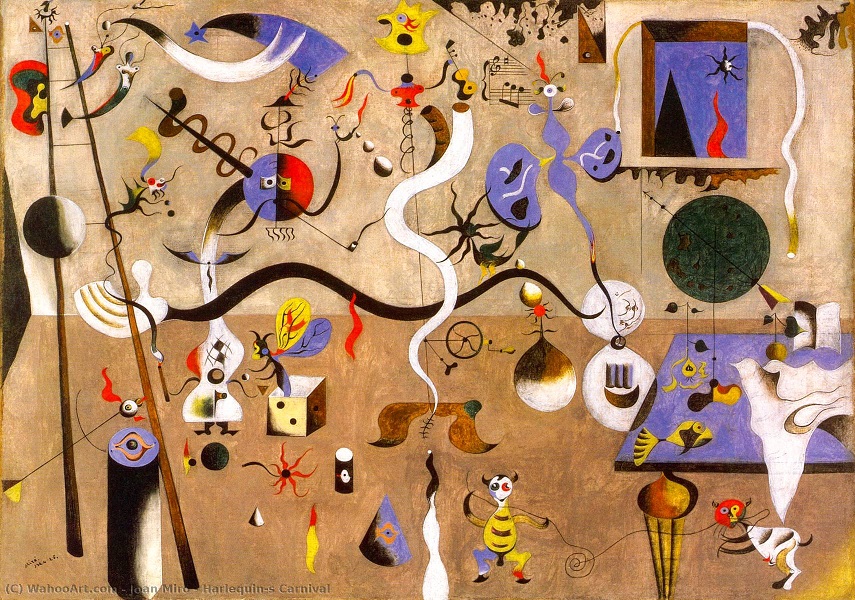
Harlequin's Carnival
Joan Miro
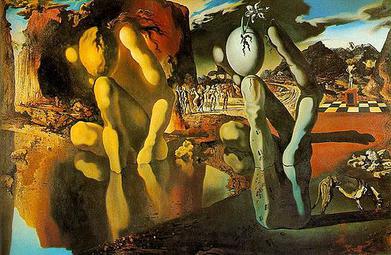
Metamorphosis of Narcissus
Salvador Dali
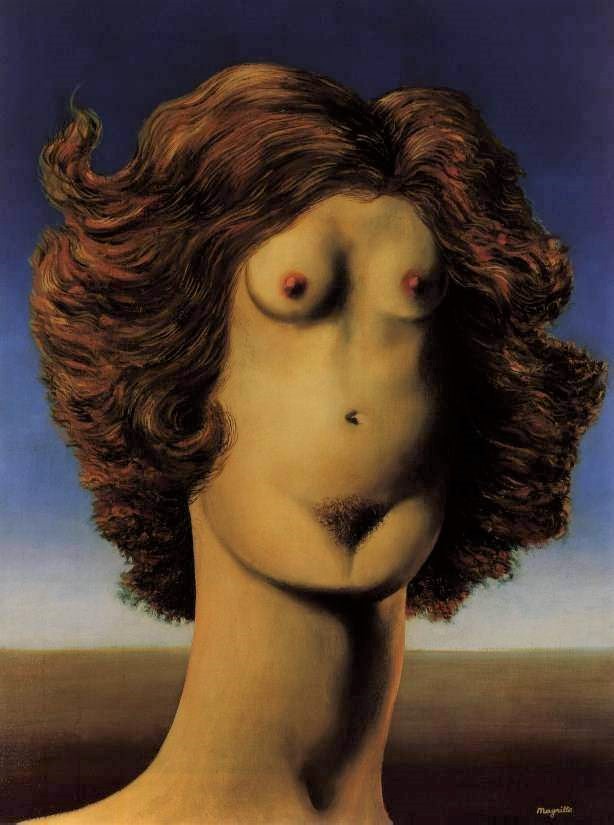
Rape
Rene Magritte
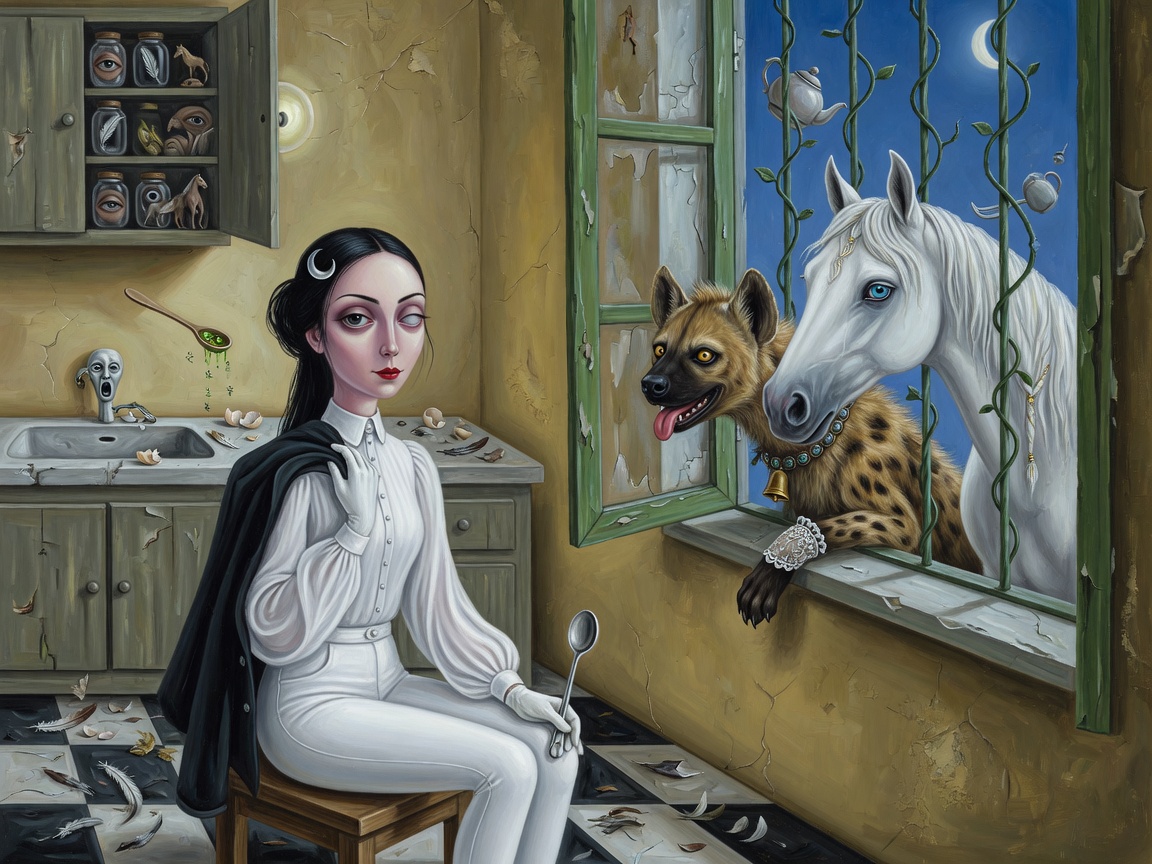
Self-Portrait (Inn of the Dawn Horse)
Leonora Carrington · 1937
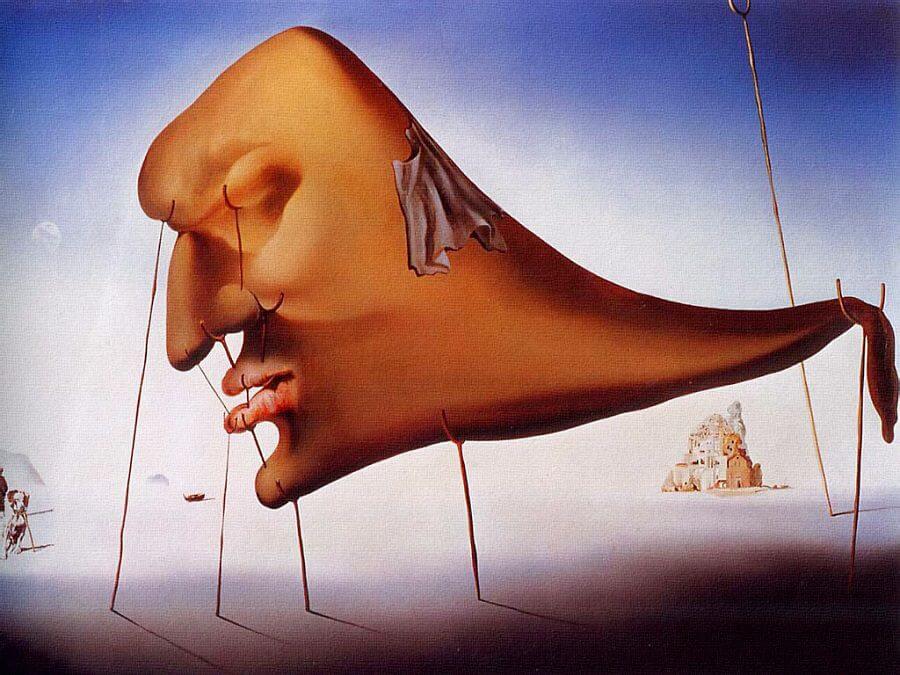
Sleep
Salvador Dali
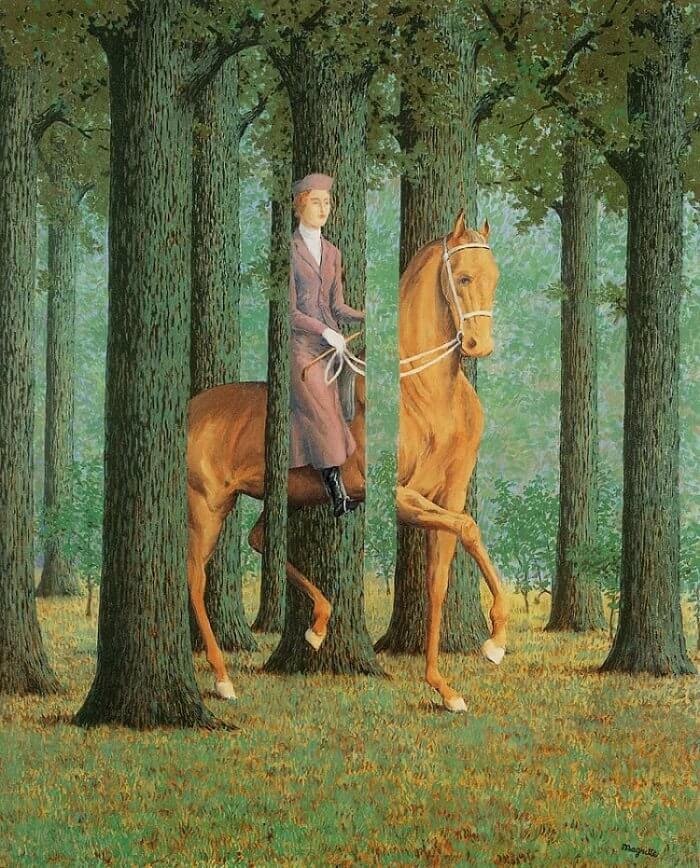
The Blank Signature
Rene Magritte
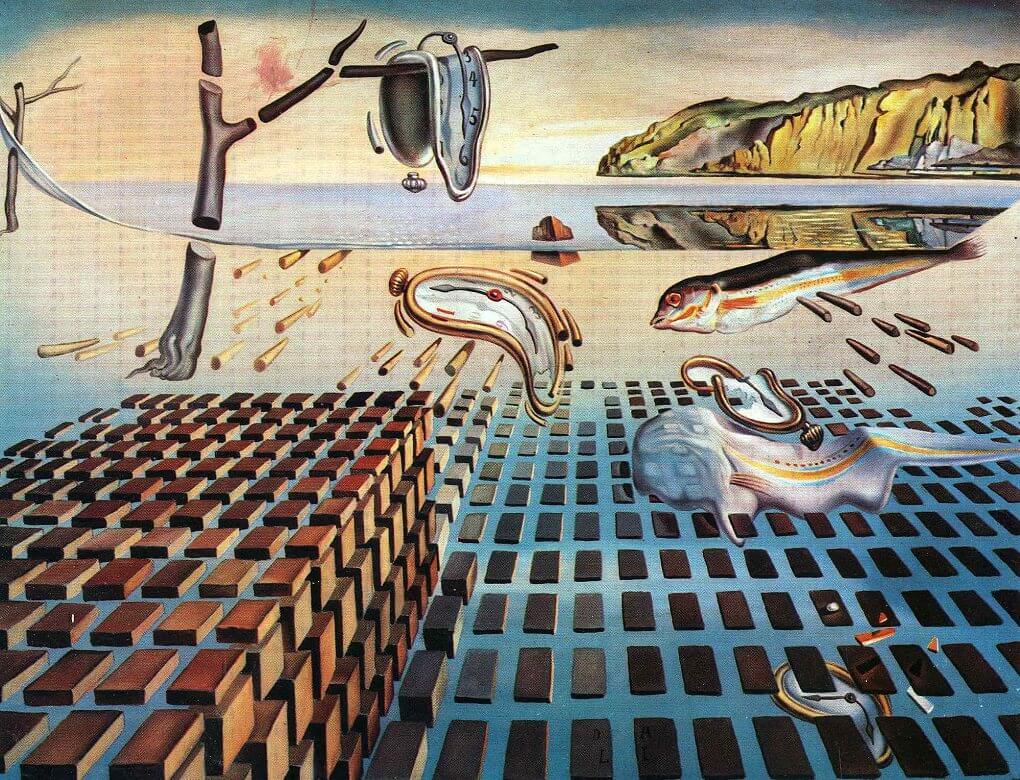
The Disintegration of the Persistence of Memory
Salvador Dali
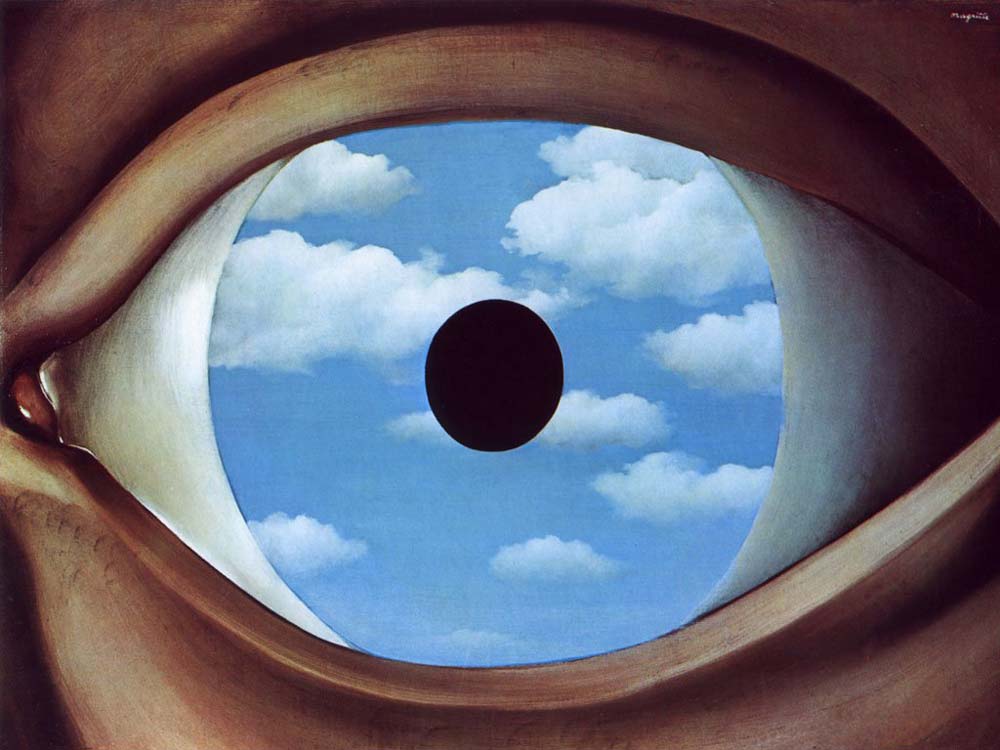
The False Mirror
Rene Magritte
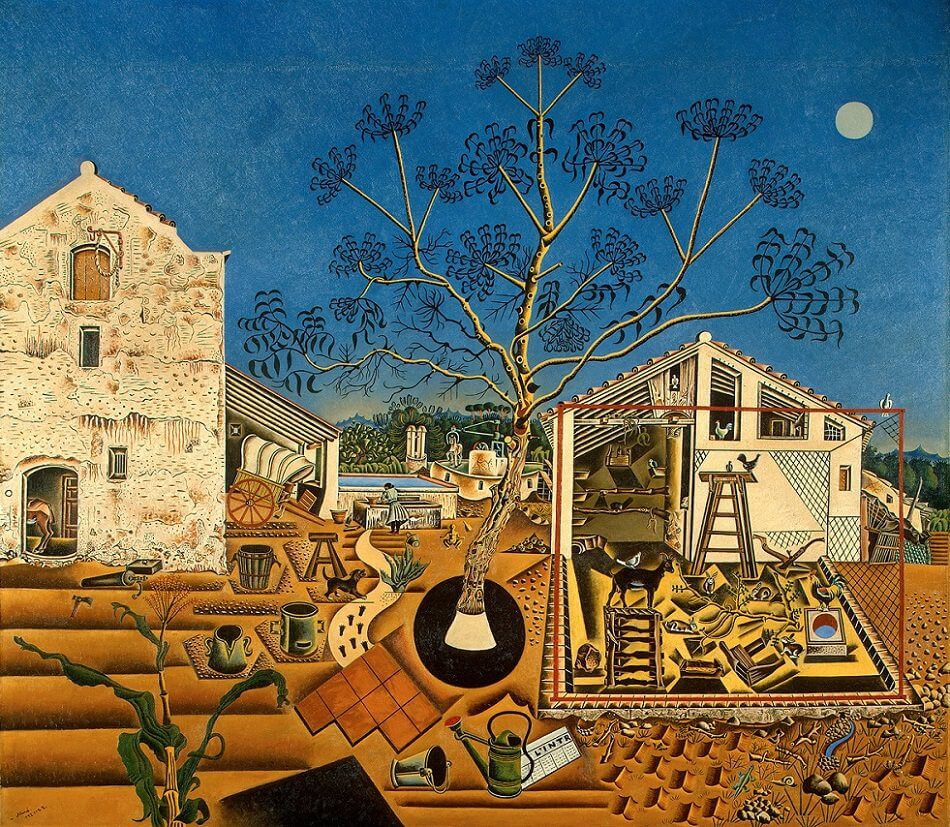
The Farm
Joan Miro
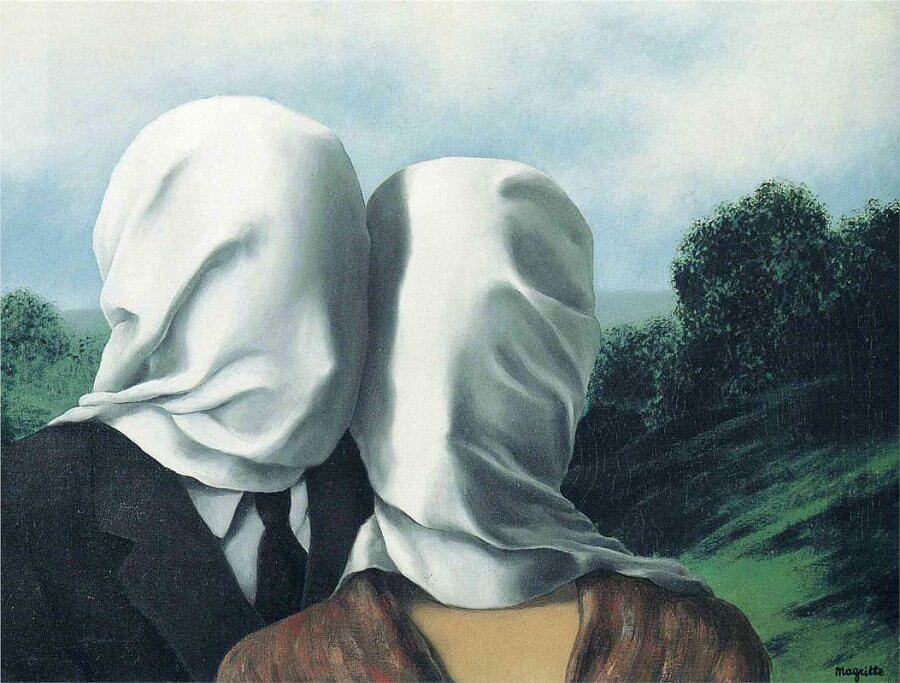
The Lovers I
Rene Magritte
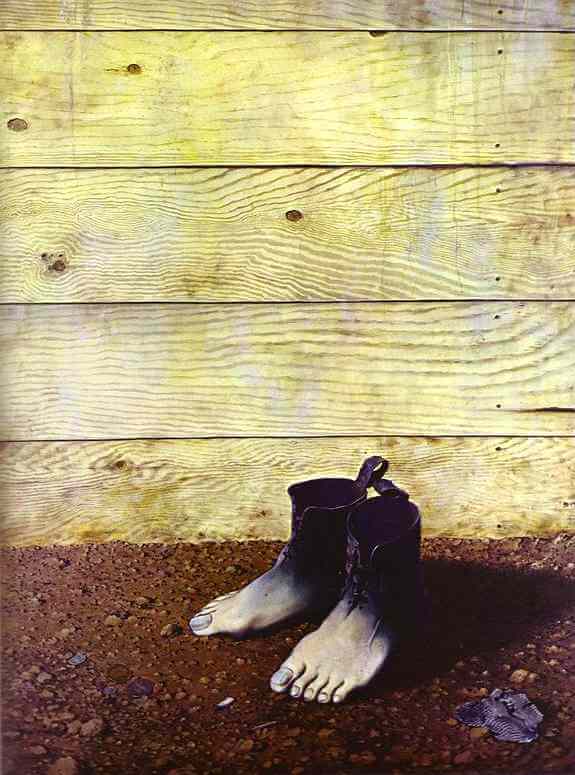
The Red Model
Rene Magritte
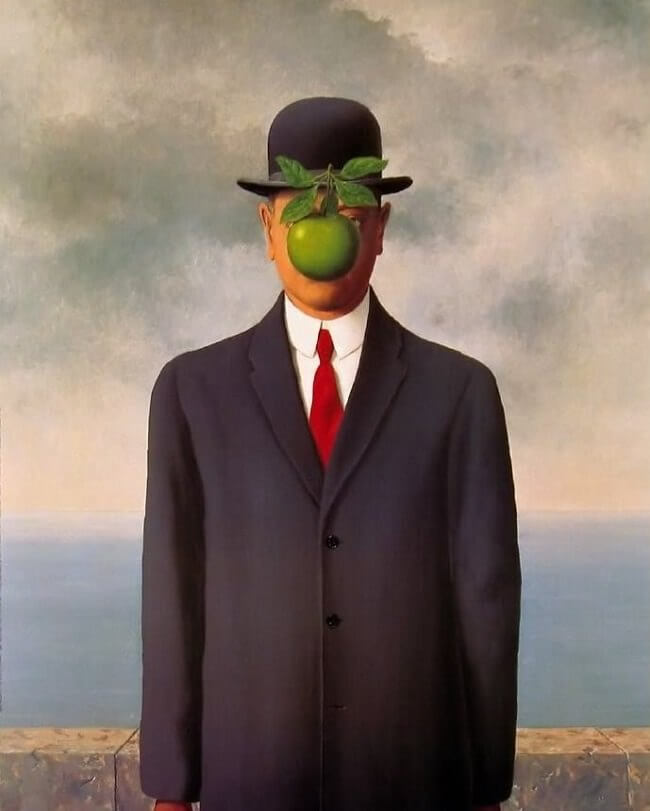
The Son of Man
Rene Magritte
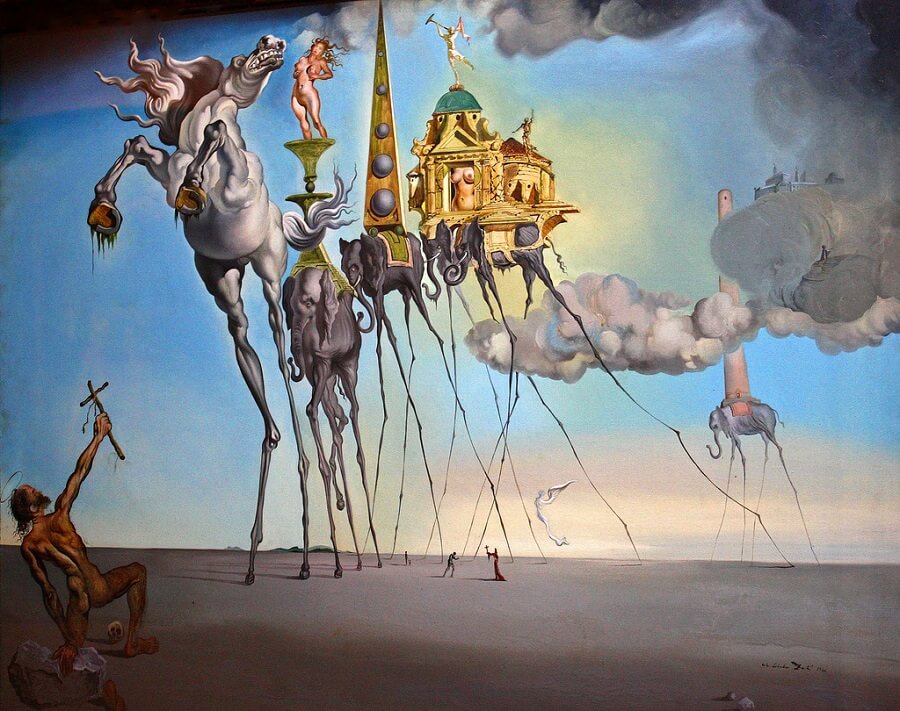
The Temptation of Saint Anthony
Salvador Dali
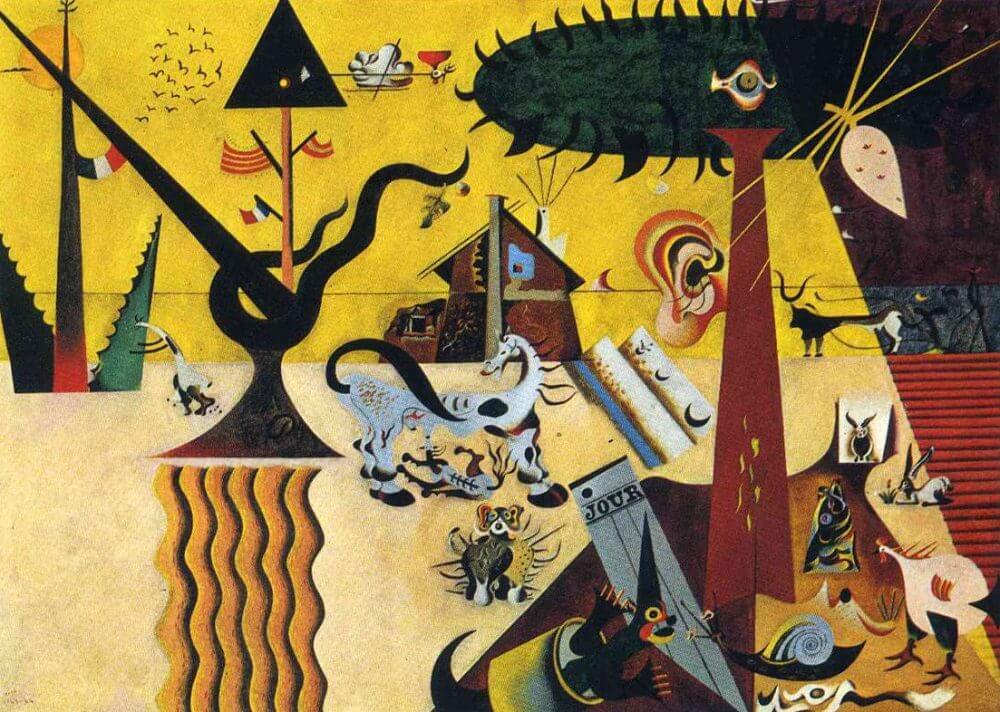
The Tilled Field
Joan Miro
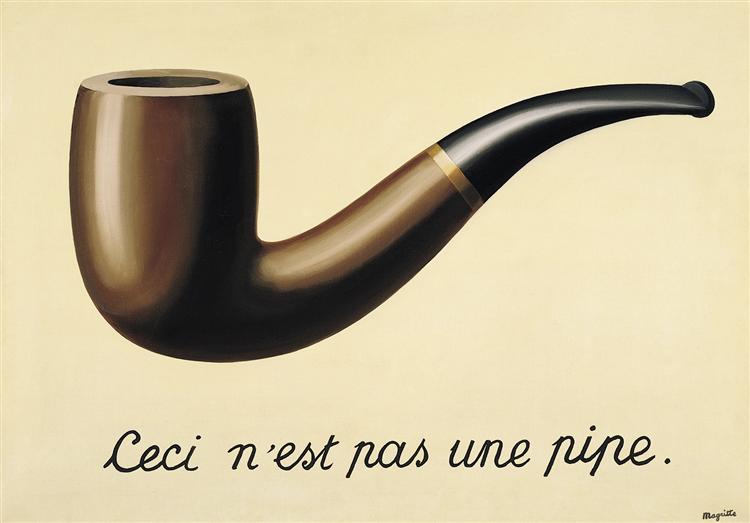
The Treachery of Images
Rene Magritte